

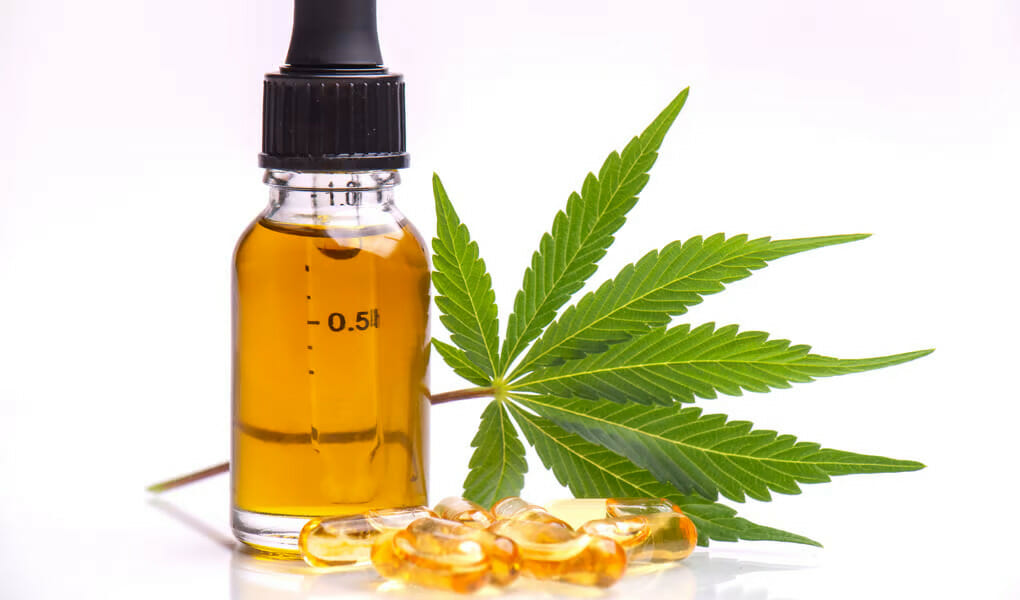
CBD oils and CBD capsules are two delivery methods through which you can explore CBD. CBD oils offer more flexibility in how you take them, while CBD capsules are good at masking the bitter taste of CBD oil. This article details all you need to know about CBD oils and capsules and how they differ.
CBD products are all over, and CBD oils and capsules are two of the most widely distributed delivery methods. CBD capsules are taken orally where one swallows them with water, while CBD oils can go the oral or the sublingual route, where the latter involves putting the drops under the tongue and waiting for 30-60 seconds to elapse before swallowing them. Still, the question of which of the two to choose remains a key concern. Of course, CBD oil is more flexible than capsules, which are better at masking the bitter taste of CBD oil. This article explores all you need to know about CBD capsules and oils and how they compare.
Introducing CBD Oils and CBD Capsules
CBD refers to the non-psychoactive extract from the cannabis plant that does not make one feel ‘high.’ The cannabis plant has many active compounds, adding up to more than 113, but CBD stands out for its non-psychoactive properties. According to Bauer (2020), CBD does not cause the ‘high’ effect. CBD oil is the oil-based form of CBD. Meanwhile, CBD capsules are CBD oils in capped form that help a person take CBD without tasting the bitter or earthy flavour of CBD oil that puts many people off.
Types of CBD
It is worth noticing that there are at least three types of CBD to enjoy, whether you choose CBD oils or CBD capsules. The main line of difference stems from the cannabinoid profile and the presence or absence of additional compounds. For instance,
i. Isolate-based CBD oil/capsule; features pure CBD without additional compounds, no terpenes, flavonoids, or additional compounds.
ii. Full-spectrum CBD oil/capsule; has CBD with a whole range of cannabinoids, including traces of THC, CBG, CBT, CBC, and CBN. Besides, full-spectrum CBD features terpenes and flavonoids (Sommano et al., 2020). In the UK, a product must not contain more than 1mg of controlled cannabinoids such as THC per container.
iii. Broad-spectrum CBD oils/capsules; has compositions almost similar to full-spectrum CBD oil but lack THC. As such, you can opt for them to enjoy terpenes, flavonoids, and additional compounds from cannabis plants.
CBD Oils Vs. CBD Capsules: The Administration Methods
There is a difference in taking CBD depending on the delivery method you choose to go for. You can take CBD oils orally and swallow them directly, but you can also choose to go the sublingual route where you place the CBD drops under the tongue, allow 30-60 seconds to elapse, and swallow the drops. Meanwhile, there is only one way to take CBD capsules, i.e., by swallowing them, where one needs a little water to swallow the capsules. As the next section shows, the administration method is one of the main differences between the two products.
CBD Oils Vs. CBD Capsules: Which Should You Choose?
If you anticipate joining the CBD bandwagon soon, you may want to know which delivery method suits you better between CBD capsules and oils before settling for one. Research on CBD is still at an early stage, so it is better to compare the two on practical points. CBD oils let you take the drops under the tongue or swallow them, and you can adjust the number of drops. CBD capsules, on the other hand, contain a fixed amount of CBD per capsule, have no taste, and are easy to take on the go. As such, the choice mostly comes down to personal preference.
Are CBD Capsules a Good Alternative to CBD Oil?
Although some people prefer CBD oils because of the different ways to take them, CBD capsules are simply another format. CBD products are not medicines, and neither oils nor capsules should be chosen for health reasons. Capsules suit people who dislike the taste of CBD oil or want a pre-measured amount. You can read more in our CBD Capsules 101 guide.
Check the Strength on the Label
Whichever format you choose, check the strength on the label. A CBD capsule may contain more or less CBD than a serving of CBD oil, so comparing products by their CBD content per serving is more useful than comparing formats. In the UK, the Food Standards Agency (FSA) advises healthy adults to limit CBD from food to 10mg per day, so always check how much CBD each capsule or drop contains.
With or Without Food?
CBD is fat-soluble, which is why CBD oils use a carrier oil and many capsules contain oil inside. Some people prefer to take their CBD oil or capsules with a meal, while others take them on their own. Always follow the directions on the product label.
Conclusion
CBD oil is more flexible than CBD capsules, as you can take it sublingually or orally and adjust the number of drops. Meanwhile, CBD capsules are good for masking the bitter taste of CBD oil and offer a fixed amount per capsule. Still, the strength of the product matters, so always check how much CBD each serving contains and follow the label.
References
Bauer, B. A. (2020). In Mayo Clinic.
Sommano, S. R., Chittasupho, C., Ruksiriwanich, W., & Jantrawut, P. (2020). The Cannabis Terpenes. Molecules, 25(24), 5792. https://www.mdpi.com/917664
Please note
This article was first published on the JustCBD UK blog and has been updated. CBD products are sold as food or cosmetics in the UK and are not medicines. The Food Standards Agency advises healthy adults to limit CBD from food to 10mg per day and does not recommend CBD for people under 18, people who take medication, or people who are pregnant or breastfeeding. Read the FSA CBD advice.


