

CAN CBD CREAM MAKE YOU FEEL WEIRD?
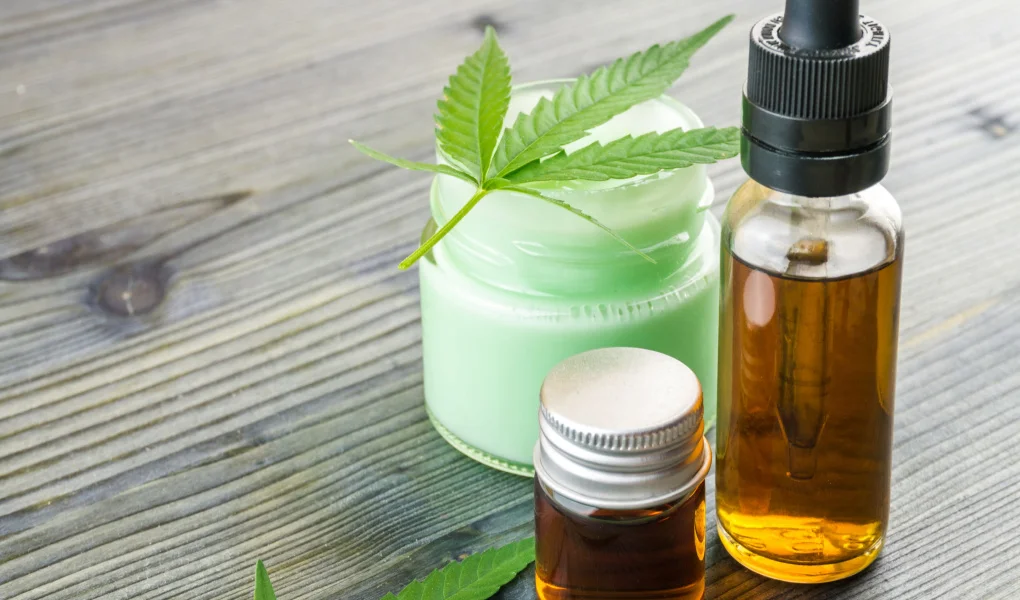
CBD does not make you feel weird neither does CBD cream. Besides, the latter does not interact with your blood system, all the more why it does not make you feel weird. Here is all you need to know about CBD cream.
Since CBD topicals like creams do not get past the top layer of the kin into your bloodstream, they will not make you high or weird. There is no weird feeling in taking CBD since studies have found it non-psychoactive. Besides CBD creams, you can opt for CBD oils, tinctures, vapes, topicals, and capsules to explore CBD benefits. Each method has pros and cons, which you must deal with to enjoy CBD. Regardless of the CBD deliverable method you choose, you can enjoy the product in one of the three CBD formulations, including isolate, full- and broad-spectrum CBD, none of which is better than the other. Peer into this article to learn more about CBD creams as a deliverable method.
CBD Basics
Without CBD, there is no CBD cream, so you must appreciate the former. CBD seems to be the topic of the day and many products we use every other day feature it. With the increased demand and hype for CBD, there is a need to expound more on CBD. According to Mascal et al. (2019), CBD is the non-intoxicating chemical compound in cannabis plants and one of many. There are many plants in the cannabis class, each featuring active compounds called cannabinoids. Of the more than 100 cannabinoids in nature, CBD remains at the top of the list because of its non-psychoactive nature. Still, it is worth knowing that there is more to CBD than this. The Forbes Health (2022) report noted that more than 60% of US adults are on some form of CBD, an observation agreeing with CBD therapy, as Watt & Karl (2017) noted. CBD use increases daily, and so is the demand for cannabinoids. Thus, many CBD products can be found today, creams being among them.
Why People Like CBD
The above report shows that more than half the US population is on CBD products. With such widespread use of the cannabinoid, it is only normal to wonder why many people like and find it relatable. Studies like Kicman & Toczek (2020) found CBD non-psychoactive, a property many CBD fans relate to. Besides, the American Academy of Dermatology (Feb 2018) noted that many CBD fans use the cannabinoid for acne, eczema, psoriasis, and other skin conditions. Since CBD seems to help with situations that people can relate to, we find more and more individuals embracing it. The other reason behind CBD being quite popular is the widespread availability of CBD products. Whether you want CBD oils or capsules, you have many options to tap into. You can visit CBD shops and buy your favorite pick, but you could also shop for CBD online by surfing through the websites of your favorite CBD brands.
CBD Creams- What Are They?
Although CBD seems to benefit the body so much, human cells cannot absorb it as a whole as it is. Thus, it has to be coined into forms the human cells can easily absorb, resulting in CBD deliverables. There are many ways of taking CBD or CBD deliverables, CBD creams being one of them. They are like any other topical product, the only difference being that it features CBD oil as an extra ingredient. CBD creams are for external use only; you cannot ingest them. They are easy to use and feature many options, allowing CBD fans to have a variety of products to pick from. For instance, you can have CBD creams in isolate, full- and broad-spectrum CBD, depending on what you are interested in. Like any other CBD product, quality is key when shopping for CBD creams. How much you can gain from the cream depends on the quality of the products and how well you use them. With all these boxes ticked, rest assured of getting the most out of CBD with the CBD creams without necessarily letting CBD into your system.
Do CBD Creams Make You Feel Weird?
Although many people would like to explore cannabis products for the many health benefits linked to them, some uncertainties come with such. For instance, will applying CBD cream make me feel weird? It is worth noting that CBD is a non-psychoactive compound not linked to any weird feeling. According to Bauer et al. (2020), CBD is non-intoxicating, suggesting that using its products like creams does not make one feel weird. When it comes to CBD creams, the weird feeling is out of context since topicals do not let cannabinoids into the bloodstream. Eskander et al. (2020) noted that CBD topicals reduce back pains because of their interaction with the endocannabinoid system (ECS). CBD creams are among the CBD products that allow you to feel CBD effects without the cannabinoid having direct contact with the blood. Whether or not then CBD cream has THC, expect no weird feeling from it.
How Do CBD Creams Feel?
If CBD creams do not make you feel weird, how do they make you feel? Does it feel like before once you apply CBD creams? People have different experiences with CBD products, but as Watt & Karl (2017) noted, CBD is therapeutic. Besides, Shannon et al. (2019) noted that CBD reduces pain and anxiety, findings similar to García-Gutiérrez et al. (2020) who found the cannabinoid great for stress, anxiety, and depression. It’s no wonder many people say that CBD creams feel quite relaxing. Besides, according to Costa et al. (2007) and De Gregorio et al. (2019), CBD reduces pain, adding to the calming and relaxing effects of the cannabinoid. Still, it is worth remembering that many factors come to play as far as the effectiveness of CBD is concerned, and different users might not necessarily have the same effects with the same CBD creams.
Do CBD Creams Show Up in Drug Tests?
Another concern every CBD user has is whether CBD creams will appear in drug tests. First, you must understand how cannabis drug tests work to know if CBD creams will appear in such tests. Cannabis drug tests target THC and THC metabolites in your system and use urine, blood, hair, or saliva as specimens. Thus, by being a CBD product, CBD creams should not show up in drug tests. Besides, CBD creams and topicals do not allow CBD to interact with your blood system and move to urine, hair, and other parts used as specimens in the drug tests. Thus, the chances of failing drug tests with CBD creams are narrow. If you were to ingest CBD, the THC status in the CBD product would matter, determining whether you will fail or pass drug tests. The more the THC in a CBD product, the higher the chances of failing drug tests with them, but this does not apply to CBD topicals like creams.
Pros of CBD Creams
Have you thought about why CBD creams are quite popular today? The American Academy of Dermatology (Feb 2018) showed that many people are after CBD topicals like creams to manage skin conditions, which makes sense, considering how rampant skin problems are. Still, there is more to CBD creams, explaining why many CBD fans would opt for them. The creams feature essential oils besides CBD oil, yet Djilani et al. (2012) reported that essential oils are therapeutic and medicinal. The other reason many people find CBD creams effective is that they are easy to move around with. Being a skincare product, you can easily put it where you put the rest of your skin routine items and use it when you need it. When using CBD creams, you need not worry about drawing people’s attention since they are like any other creams.
CBD Creams Cons
Like a coin with two sides, CBD creams have their cons. They are not all white and come with their fair share of challenges you must deal with in using the product. The primary concern with CBD creams and other topicals is effectiveness. However, many CBD users have already embraced CBD creams and other topicals, but studies are yet to determine how effective they can be. Unlike CBD oils, pills, and edibles that you ingest and interact with the system, CBD creams do not get into your system, a factor that compromises how much you can gain from them. Besides, like any other CBD deliverable method, creams are not 100% bioavailable, showing that they do not allow the body to benefit from all the CBD in them. Moreover, the safety of CBD products affects all categories, including CBD creams. Corroon & Phillips (2018) noted that CBD has a good safety profile, suggesting that the cannabinoid is relatively safe. Yet, the CBD world is largely unregulated and knowing the extent of the safety of the CBD creams may be challenging. This is why we do not recommend CBD for treating, curing, or healing any health condition. The insufficient scientific studies to back the CBD cream claims is yet another con facing CBD creams. While manufacturers claim that CBD creams offer so much, there are hardly enough scientific studies to prove this.
Types of CBD in the CBD Creams
Shopping for CBD products sounds like a good idea until you realize the many options you have to choose from. Deciding to buy CBD creams is one thing and knowing the types of CBD to focus on is another. CBD is the general term with sub-categories, also called the CBD formulations. You can enjoy CBD creams in the following formulations;
i. Full-spectrum CBD; features CBD with THC, terpenes, and many hemp compounds. Because of the many compounds in full-spectrum CBD, Russo et al. (2011) and VanDolah et al. (2019) noted that CBD features a full entourage effect, the primary reason CBD fans seek full-spectrum CBD.
ii. Isolate CBD; is the other CBD extreme, featuring the cannabinoid in its purest form. Although it does not have THC, terpenes, or additional hemp compounds, isolates remain effective. In fact, Gallily et al. (2015) and Perucca (2017) noted that isolate CBD could help manage inflammation and seizures, proving that they are effective.
iii. Broad-spectrum CBD; has as many components as full-spectrum CBD but does not have THC. Thus, it is a great option for CBD fans looking for a THC-free full entourage effect.
How Else Do You Explore CBD Benefits?
Besides CBD creams, other options exist to explore and enjoy CBD effects. Many CBD fans who opt for CBD creams and other topicals would like to enjoy CBD benefits but do not want the cannabinoid in their system. If you don’t mind CBD’s interaction with the body, you have many options to explore and take advantage of CBD benefits. You can opt for;
i. CBD oils and tinctures; are liquid CBD products featuring CBD in dilute forms with oil or alcohol as the base. Although they are bitter and earthy, you can ask for these tastes and enjoy their fast CBD delivery and effects.
ii. CBD edibles; you can enjoy CBD in food-like options, including CBD drinks and meals. Such allow you to enjoy CBD with taste and flavor but compromise CBD bioavailability, potency, and results since they go through the digestive tract to process CBD before realizing it into the body.
iii. CBD vapes; you can vape CBD to enjoy fast effects since the method does not involve the cannabinoid going through the digestive tract. Still, the AP News (2019) and the Center for Disease Control and Prevention, CDC (2020) warned against substance vaping and CBD vape oils, revealing that they may introduce contaminants and carcinogens into the body, increasing your risks for lung infection.
iv. CBD capsules; are like any other capsules with supplements and medicine, only that they have CBD oil as the main content and also make a great alternative for delivering vitamins alongside CBD. They allow you to enjoy CBD benefits without the bitter taste of the cannabinoid, but like CBD edibles, they go through the digestive tract and delay results.
Are CBD Isolates Inferior?
As discussed previously, there are three types of CBD in CBD creams; isolate, full- and broad-spectrum CBD. With the three types of CBD in nature, it is easy to think that one is better than the other. This is not the case since CBD benefits are holistic, regardless of the CBD formulation through which you are enjoying them. The different types of CBD allow you to have many options to tap into and do not mean that any is better than the rest. CBD isolates do not have additional cannabis compounds, but they are not any inferior. According to Gallily et al. (2015) and De Gregorio et al. (2019), CBD isolates can help fight inflammation and neuropathic pain, and the former follows a dose-specific approach. Perucca (2017) also found CBD great for reducing seizures, proving further that CBD isolates are effective and not any inferior.
Choosing the Best Type of CBD for You
Since none of the three types of CBD is better than the other, many find it challenging to decide which formulation to go for. Your choice of the best CBD formulation need not depend on pressure or influence but on your unique preferences and needs. For instance, if you like the full entourage effect of many compounds, you will likely go for the full-spectrum cream. If you want the same effects but without CBD, you may want to take broad-spectrum CBD. However, if CBD isolates CBD sounds great for you for not having THC, you should go for them.
How CBD Works
Although many have incorporated CBD into their lifestyle and use edibles with CBD oil, not all of them know how CBD work. CD studies are limited, but there is at least some information on how CBD works. According to McPartland et al. (2015) reported that CBD and THC could produce the positive effects linked to them because of their interaction with a network called the endocannabinoid system (ECS), whose main components are endocannabinoids, enzymes, and endocannabinoid receptors that work harmoniously to keep the processes depending on the activity. Di Marzo & Piscitelli (2015) established the same findings, which revealed that THC has a high affinity for the CB1 and CB2 receptors and binds to them to produce the effects linked to it. Still, it is unclear how CBD interacts with the ECS receptors; Watt & Karl (2017) reported that it is therapeutic, showing that the CBD- receptor interaction is positive.
CBD Skincare Benefits
CBD cream is one of the many topicals featuring CBD oil. Depending on your needs, you could find CBD massage oil, butter, lotion, hydrating gels, or other topicals good for you. How does CBD benefit the skin? Is there any point in making CBD oil part of CBD cream and other topicals? According to Schuelert & McDougall (2011) and Hammell et al. (2016), CBD can fight inflammation, one of the symptoms of many skin challenges. Besides, Costa et al. (2007) and Vučković et al. (2018) stated that CBD could help with the pain. Many CBD brands, including JustCBD, offer CBD pain creams formulated to help manage pain in the skin. Even with the many benefits linked to CBD for the skin, we do not recommend CBD cream for any health challenges. There are many promising findings, and so are the uncertainties. With more studies, it will be possible to tell apart what CBD can do from what it cannot do to the skin.
Conclusion
CBD cream does not make you feel weird. The primary reason is that CBD is non-intoxicating in action and is not related to any weird feelings. Secondly, creams do not allow the cannabinoids in them to go past the top layer of the skin into the bloodstream. The same is true of other CBD topicals; they will not make you feel weird, whether they have THC or not, since the THC does not interact with the bloodstream. Rather, the cream is therapeutic. People report different experiences with CBD creams, but studies show that CBD can reduce pain, hence why many feel relaxed after applying it. More on CBD creams, including their skincare benefits, are in this article.
References
American Academy of Dermatology. (Feb, 2018). Public, researchers demonstrate
growing interest in cannabis treatment. Topical application shows promise for
skin diseases.
AP News (2019). How the Associated Press Collected Information on CBD Vapes.
Bauer, B. A. (2020). What Are The Benefits Of CBD–And Is It Safe To Use? In Mayo Clinic.
Centers for Disease Control and Prevention. (2020). An outbreak of lung injury
associated with the use of e-cigarette, or vaping, products.
Costa, B., Trovato, A. E., Comelli, F., Giagnoni, G., & Colleoni, M. (2007). The non-
psychoactive cannabis constituent cannabidiol is an orally effective therapeutic
agent in chronic rat inflammatory and neuropathic pain. European journal of
pharmacology, 556(1-3), 75–83.
De Gregorio, D., McLaughlin, R. J., Posa, L., Ochoa-Sanchez, R., Enns, J., Lopez-Canul,
M., Aboud, M., Maione, S., Comai, S., & Gobbi, G. (2019). Cannabidiol modulates
serotonergic transmission and reverses allodynia and anxiety-like behavior in a
model of neuropathic pain. Pain, 160(1), 136–150.
Di Marzo, V., & Piscitelli, F. (2015). The endocannabinoid system and its modulation by
phytocannabinoids. Neurotherapeutics, 12(4), 692-698.
Djilani, A., & Dicko, A. (2012). The therapeutic benefits of essential oils. Nutrition, well-
being and health, 7, 155-179.
Elms, L., Shannon, S., Hughes, S., & Lewis, N. (2019). Cannabidiol in the Treatment of
Post-Traumatic Stress Disorder: A Case Series. Journal of alternative and
complementary medicine (New York, N.Y.), 25(4), 392–397.
Eskander, J. P., Spall, J., Spall, A., Shah, R. V., & Kaye, A. D. (2020). Cannabidiol (CBD)
as a treatment of acute and chronic back pain: A case series and literature review.
J Opioid Manag, 16(3), 215-8.
Ewing, L. E., Skinner, C. M., Quick, C. M., Kennon-McGill, S., McGill, M. R., Walker, L.
A., … & Koturbash, I. (2019). Hepatotoxicity of a cannabidiol-rich cannabis
extract in the mouse model. Molecules, 24(9), 1694.
Forbes Health (2022). What to Know About Types of CBD.
Gallily, R., Yekhtin, Z., & Hanuš, L. O. (2015). Overcoming the bell-shaped dose-
response of cannabidiol by using cannabis extract enriched in cannabidiol.
Pharmacology & Pharmacy, 6(02), 75.
García-Gutiérrez, M. S., Navarrete, F., Gasparyan, A., Austrich-Olivares, A., Sala, F., &
Manzanares, J. (2020). Cannabidiol: a potential new alternative for treating
anxiety, depression, and psychotic disorders. Biomolecules, 10(11), 1575.
Hammell, D. C., Zhang, L. P., Ma, F., Abshire, S. M., McIlwrath, S. L., Stinchcomb, A. L.,
& Westlund, K. N. (2016). Transdermal cannabidiol reduces inflammation and
pain-related behaviours in a rat model of arthritis. European journal of pain
(London, England), 20(6), 936–948.
Kicman, A., & Toczek, M. (2020). The effects of cannabidiol, a non-intoxicating
compound of cannabis, on the cardiovascular system in health and disease.
International journal of molecular sciences, 21(18), 6740.
Mascal, M., Hafezi, N., Wang, D., Hu, Y., Serra, G., Dallas, M. L., & Spencer, J. P. (2019).
Synthetic, non-intoxicating 8, 9-dihydrocannabidiol for the mitigation of seizures.
Scientific reports, 9(1), 1-6.
McPartland, J. M., Duncan, M., Di Marzo, V., & Pertwee, R. G. (2015). Are cannabidiol
and Δ9‐tetrahydrocannabivarin negative modulators of the endocannabinoid
system? A systematic review. British journal of pharmacology, 172(3), 737-753.
Perucca E. (2017). Cannabinoids in the Treatment of Epilepsy: Hard Evidence at Last?
Journal of epilepsy research, 7(2), 61–76.
Russo, E.B., 2011. Taming THC: potential cannabis synergy and phytocannabinoid‐
terpenoid entourage effects. British journal of pharmacology, 163(7), pp.1344-1364.
Schuelert, N., & McDougall, J. J. (2011). The abnormal cannabidiol analogue O-1602
reduces nociception in a rat model of acute arthritis via the putative cannabinoid
receptor GPR55. Neuroscience letters, 500(1), 72–76.
VanDolah, H. J., Bauer, B. A., & Mauck, K. F. (2019, September). Clinicians’ guide to
cannabidiol and hemp oils. In Mayo Clinic Proceedings (Vol. 94, No. 9, pp. 1840-
1851). Elsevier.
Vučković, S., Srebro, D., Vujović, K. S., Vučetić, Č., & Prostran, M. (2018). Cannabinoids
and pain: new insights from old molecules. Frontiers in pharmacology, 1259.
Watt, G., & Karl, T. (2017). In vivo evidence for therapeutic properties of cannabidiol
(CBD) for Alzheimer’s disease. Frontiers in pharmacology, 8, 20.