

CAN I RUB CBD OIL ON MY SKIN FOR PAIN?
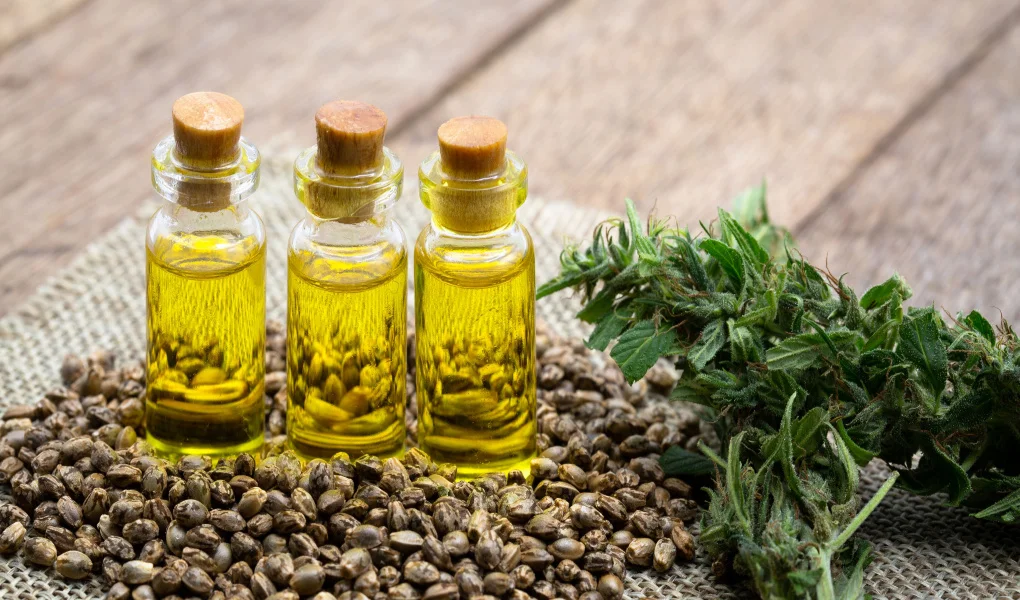
CBD oil is for oral or sublingual use, and you cannot rub it on the skin to reduce pain. However, topical CBD use can work on the skin, and early studies show that CBD of this nature may help fight pain. Here is all you need to know about different types of CBD and how to apply them.
There are many types of CBD products, including CBD oils which are designed for oral or sublingual use and which one cannot apply to the skin for pain. Since they are meant to be administered orally or sublingually, they feature ingredients that match this kind of use and will be ineffective when used on the skin. Meanwhile, there are other ways to deliver CBD to the body, including CBD topical oils, which you can use on the skin for pain. Thankfully, CBD studies see potential in the cannabinoid helping with pain, and, unsurprisingly, CBD topical oil may be pain-relieving. Here is all you need to know about CBD, the different types of applications, and what studies say about them.
Understanding CBD
CBD is the parent compound in the case of CBD oil or CBD topical oil, and without it, we cannot have any of these deliverable methods. What is CBD, and why do many people relate to it? Mascal et al. (2019) defined CBD as the non-intoxicating cannabinoid in cannabis plants. There are many plants in the cannabis class, each having unique chemical compounds called cannabinoids, and which CBD is part. There are many cannabinoids in nature, but CBD manages to be popular. According to the Forbes Health (2022) report, more than 60% of US adults are on some form of CBD, showing that the cannabinoid is more than popular. The American Academy of Dermatology (Feb 2018) seconded the widespread use of CBD products, commenting that many people have become CBD fans and use the cannabinoid to help with various skin conditions.
Why do many people relate to CBD products? According to Watt & Karl (2017), CBD is therapeutic, and many people want to tap into such a therapy. As many people pursue CBD for its claimed therapy, we see many CBD products being made, and you can easily find them when you feel like it. CBD products are available online, and all you have to do is to surf your best CBD company website and order CBD products. Alternatively, you can choose to buy CBD products in-store, walking from one CBD shop to the next as you shop for the products that best meet your needs.
What Is CBD Oil?
CBD is a compound that promises to help the body in many ways, but human cells cannot absorb it as it is. Thus, it comes in different deliverable methods, also called CBD products. There are many types of CBD deliverables, CBD oil being one of them. CBD oil is an oil-based product featuring CBD in its dilute form. It is close to CBD tincture, only that the latter features alcohol as the base. You can have CBD oils in flavored and unflavored forms, meeting the needs of different CBD users. Besides, some brands even make kosher-certified CBD oils to ensure different CBD users with varying needs have something that meets their needs. More and more brands produce CBD oil since it is the primary way to deliver the cannabinoid to the body. Putting CBD oil below the tongue and allowing 30- 60 seconds to pass before swallowing, as with sublingual intake, ensures CBD gets to your system almost immediately. It is for this very reason that people find CBD oil an effective way to deliver CBD to the body, although it means you have to contend with the bitterness and earthiness of CBD oil.
How Do You Take CBD Oil?
CBD is a novel compound, and CBD oils are quite expensive. Thus, you must know how best to use CBD oils and get the most out of them. Thankfully, CBD oils are easy to use, and there are diverse ways of doing this. The primary way to use CBD oil is to administer it sublingually, where you put a drop of the oil below the tongue and allow 30- 60 seconds to pass before letting the cannabinoid into your system. It is the most effective way to take CBD oil since the blood vessels below the tongue ensures CBD gets to the bloodstream almost immediately, although you must be content with the bitter taste of the oil. You can also take CBD oil orally, where you put drops of the oil on the tongue and swallow them immediately. Although oral and sublingual intake of CBD allows the tongue to interact with the oil and feel its bitterness, they let CBD into the system almost immediately, allowing for immediate effects. The other way to use CBD oil is to add its drops to foods and drinks and make CBD edibles. Such need time to process CBD and deliver it to your system but help you to feel the CBD effects without the bitterness and earthiness of CBD oil.
Can You Rub CBD Oil on the Skin for Pain?
CBD oil is designed for oral or sublingual intake, and you cannot rub it on the skin to reduce pain. Of course, ye, you can do anything you want with CBD oil, but applying it to the skin for pain will not be effective. CBD oil is a product for the internal organs; you must ingest it and allow it to process before you can feel its effects on the external body parts. Do you need CBD oil for the external body parts? You must source topical CBD oil, say CBD massage oil. Such is not ingested and will have effects on the skin for pain.
CBD Topical Oil
There are many ways to take CBD and benefit from it besides CBD oil which is the primary way to explore CBD benefits. The other option you want to try to feel CBD effects is topical CBD oil. As the name suggests, topical CBD oil is for topical use; you must apply it to the external body parts and not ingest it. One example of a topical CBD oil is CBD massage oil. It is designed for massage, which takes place on the external body parts. Still, CBD oil and CBD topical oil have the same ingredients, including CBD and preservatives. However, topical products feature some ingredients you may not find in CBD oil, and the latter may also have ingredients not found in topical CBD oil. For instance, topical and massage CBD oils may have essential oils, which according to Djilani et al. (2012), are therapeutic and medicinal. However, such may not be present in the ingestible CBD oil, which may have flavoring agents.
CBD Topical Oil and Pain
Can topical CD oil help with pain? Pain is one of the top reasons people use CBD products, and you must know how effective CBD topical oils can be for this purpose. So far, CBD studies are promising and claim that CBD topical oils may benefit the skin in many ways. For instance, Costa et al. (2007), Vučković et al. (2018), and De Gregorio et al. (2019) noted that CBD oil could help with pain. You can apply CBD topical oil to the skin and expect pain relief. Although CBD research sees potential in the cannabinoid helping with pain and other things, there is insufficient evidence to prove that applying topical CBD oils to the skin will heal, treat, or cure your pain. Still, people believe in the pain-relieving properties of CBD topical oil; hence we look forward to more CBD products being out. As you shop for CBD topical oils, focus on quality and ensure the oil you buy is free of contaminants and heavy metals.
CBD Topical Oil and Inflammation
Besides pain relief and management, people apply topical CBD oil to the skin for inflammation. Inflammation is affecting many, and CBD oil seems to be the answer. How well can CBD topical measure up in managing inflammation? Studies see the light in CBD for inflammation, but there is insufficient evidence for the dame; hence we do not recommend CBD topical oil for treating or curing inflammation. Schuelert & McDougall (2011), Gallily et al. (2015), and Hammell et al. (2016) noted that CBD could help with inflammation and people use the topicals for the same. In fact, the American Academy of Dermatology (Feb 2018) pointed out that CBD features powerful anti-inflammatory properties, all the more why people opt for CBD topical oil for inflammatory conditions. As you buy your topicals, focus on quality and ensure the product you are buying is up to standards.
How to Apply CBD Topical Oil
Like most skincare products, how well you can benefit from CBD topical oil depends on you properly applying it. Thankfully, CBD products, including CBD topical oils, are easy to apply. All you have to do is wash your body or the target area to which you want to apply the CBD topical oil. Using a topical product on dirty skin may cause infections, hence the need to ensure you are clean before applying CBD topical oil. After this, put a little CBD topical oil on the palms and rub the two palms together to activate the CBD product. With this, you can apply the topical product to the skin and wait for the effects. CBD application has never been easier with CBD topical oils!
Types of CBD
Knowing the CBD product to buy and where to buy it is one thing, but you must also understand the types of CBD in the products before settling for them. In fact, CBD can be great, and the idea of buying it can sound fun until you realize that you must choose the type of CBD you will opt for. The following are the types of CBD to go for;
i. Full-spectrum CBD; features CBD with THC and additional cannabis compounds, including terpenes and flavonoids. The many components in the full-spectrum CBD give it synergy, resulting in a phenomenon that Russo et al. (2011) and VanDolah et al. (2019) call the full entourage effect.
ii. Isolate CBD; is the other extreme of CBD, featuring the cannabinoid in its purest form. It comes without terpenes and flavonoids and is the surest way to take THC-free CBD, as long as you focus on quality products.
iii. Broad-spectrum CBD; s the in-between CBD form, featuring the many compounds in full-spectrum CBD but without THC. It is a great alternative to full-spectrum CBD, especially if you must enjoy the full entourage effect but do not want THC.
Which CBD Is the Best?
If there are three types of CBD you can explore, you likely wonder which one would be the best and which one you should opt for. When Watt & Karl (2017) point to CBD as therapeutic, he does not limit this to any CBD, showing that you can benefit from whichever form of CBD you want. Studies and CBD proponents link full- and broad-spectrum CBD to a full entourage effect, which many view as better than CBD isolates. Are isolate CBD products any inferior? According to Gallily et al. (2015) and Perucca (2017), CBD can fight inflammation and seizures. The studies are specific to isolates, revealing that this type of CBD is equally effective. Thus, the choice of CBD type you will opt for is personal and depends on what you want from the CBD products. For instance, if you need the entourage effect with and without THC, you will go for full- or broad-spectrum CBD. Meanwhile, if you need THC-free products, you need to go for quality CBD isolates which do not have the least traces of THC.
CBD and the High Effect
One thing many people would like to know before trying any CBD product is how the non-intoxicating cannabinoid relates to the high effect is smoking weed. Many people are after THC, but since studies like Schlienz et al. (2018) have confirmed it as psychoactive, many keep it off. Of course, some cannabis users, mostly veterans, like the high effect of THC and weed, but it is worth noting that it is not everyone’s cup of coffee. Meanwhile, Kicman & Toczek (2020) and Bauer et al. (2020) noted that CBD is non-psychoactive, showing that taking it will not make you feel high. How about those who find CBD a little mellow? Shannon et al. (2019) and García-Gutiérrez et al. (2020) reported that CBD could help with anxiety, stress, and depression, explaining why taking the cannabinoid may feel calming and relaxing. Still, this should not be confused with the high effect of smoking weed.
CBD and Drug Tests
Are you joining the CBD bandwagon soon? You must know how CBD and drug tests relate. In fact, every CBD user wants to know if CBD will show up in drug tests. To answer this, you must know how drug tests work. They look for THC and THC metabolites in your system and use blood, urine, hair, or saliva as specimens. Will CBD oil show up in such tests? It depends on the THC percentage in the oil. For instance, high-quality CBD oil with no THC traces will not show up in drug tests. Although broad-spectrum CBD should have no THC traces, it is unsurprising that it may have some THC, making it show up in drug tests. Meanwhile, full-spectrum CBD will likely show up in the tests regardless of the THC percentage in them. How about CBD topical oils? These will not show up in drug tests since they do not allow the cannabinoids in them to go past the top layer of the skin into the bloodstream and distribute to the different body parts, also used as a specimen in the cannabis drug tests.
Masking the Bitter Taste of CBD Oil
Although CD oil delivers the cannabinoid to the system fast and allow immediate CBD effects, they are bitter, and you have to contend with this taste. How do you mask the bitter taste of CBD oil? Most importantly, you can try flavored CBD oils that do not impact CBD delivery. You may also choose to put drops of honey or mint on the tongue and take the bitter CBD oil. Some CBD users find it helpful to brush before and after the CBD oil as a way of masking the bitterness of CBD oil. Lastly, you can opt for CBD edibles instead of CBD oil, which means you must wait on the CBD effects for long.
Finding the Best CBD
With the many CBD brands on the market, finding the best CBD is difficult. Still, you may find it helpful to focus on the following as you shop for your CBD product;
i. Environmental factors; ensure the CBD oil and topicals you are buying feature organic ingredients.
ii. Contaminant purity; the CBD oils and topicals must be free of standard contaminants.
iii. Reputation; focus on brands with a good market reputation on their websites and on external websites like the BBB and FDA sites.
iv. Transparency; the CBD oils and topicals must be from a transparent brand featuring 3rd party test results on its website.
CBD Oil or CBD Topical Oil for Pain?
Choosing CBD oil or CBD topical oil to enjoy CBD benefits is personal. Still, it is worth knowing that each product has pros and cons that you must deal with as you use it. CBD oil allows fast delivery and results but isn’t very pleasant. Still, there are many ways to mask the bitterness and earthiness of the oil. CBD topical oil allows you to tap into CBD benefits without getting the cannabinoid into your system, but its effectiveness is yet to be determined.
Conclusion
CBD oil is an ingestible CBD product, so you cannot use it on external body parts. You can only administer it orally or sublingually, but you cannot use it on the skin. Orally or sublingually taking CBD oil allows you to deliver CBD to the body fast and experience the results quickly. If you find the oil too bitter or earthy, you can take it with mint or drops of honey to mask the bitterness. Meanwhile, CBD topical oil is great for the skin, and you can use it for pain on the skin. It is easy to use, and you must clean the surface to avoid infections. Peer into this article to know the implication of every CBD delivery on the high effect and drug tests.
References
American Academy of Dermatology. (Feb, 2018). Public, researchers demonstrate
growing interest in cannabis treatment. Topical application shows promise for
skin diseases.
Bauer, B. A. (2020). What Are The Benefits Of CBD–And Is It Safe To Use? In Mayo Clinic.
Costa, B., Trovato, A. E., Comelli, F., Giagnoni, G., & Colleoni, M. (2007). The non-
psychoactive cannabis constituent cannabidiol is an orally effective therapeutic
agent in rat chronic inflammatory and neuropathic pain. European journal of
pharmacology, 556(1-3), 75–83.
De Gregorio, D., McLaughlin, R. J., Posa, L., Ochoa-Sanchez, R., Enns, J., Lopez-Canul,
M., Aboud, M., Maione, S., Comai, S., & Gobbi, G. (2019). Cannabidiol modulates
serotonergic transmission and reverses both allodynia and anxiety-like behavior
in a model of neuropathic pain. Pain, 160(1), 136–150.
Djilani, A., & Dicko, A. (2012). The therapeutic benefits of essential oils. Nutrition, well-
being and health, 7, 155-179.
Elms, L., Shannon, S., Hughes, S., & Lewis, N. (2019). Cannabidiol in the Treatment of
Post-Traumatic Stress Disorder: A Case Series. Journal of alternative and
complementary medicine (New York, N.Y.), 25(4), 392–397.
Forbes Health (2022). What to Know about Types of CBD.
Gallily, R., Yekhtin, Z., & Hanuš, L. O. (2015). Overcoming the bell-shaped dose-
response of cannabidiol by using cannabis extract enriched in cannabidiol.
Pharmacology & Pharmacy, 6(02), 75.
García-Gutiérrez, M. S., Navarrete, F., Gasparyan, A., Austrich-Olivares, A., Sala, F., &
Manzanares, J. (2020). Cannabidiol: a potential new alternative for the treatment
of anxiety, depression, and psychotic disorders. Biomolecules, 10(11), 1575.
Hammell, D. C., Zhang, L. P., Ma, F., Abshire, S. M., McIlwrath, S. L., Stinchcomb, A. L.,
& Westlund, K. N. (2016). Transdermal cannabidiol reduces inflammation and
pain-related behaviours in a rat model of arthritis. European journal of pain
(London, England), 20(6), 936–948.
Kicman, A., & Toczek, M. (2020). The effects of cannabidiol, a non-intoxicating
compound of cannabis, on the cardiovascular system in health and disease.
International journal of molecular sciences, 21(18), 6740.
Mascal, M., Hafezi, N., Wang, D., Hu, Y., Serra, G., Dallas, M. L., & Spencer, J. P. (2019).
Synthetic, non-intoxicating 8, 9-dihydrocannabidiol for the mitigation of seizures.
Scientific reports, 9(1), 1-6.
Perucca E. (2017). Cannabinoids in the Treatment of Epilepsy: Hard Evidence at Last?.
Journal of epilepsy research, 7(2), 61–76.
Russo, E.B., 2011. Taming THC: potential cannabis synergy and phytocannabinoid‐
terpenoid entourage effects. British journal of pharmacology, 163(7), pp.1344-1364.
Schlienz, N. J., Lee, D. C., Stitzer, M. L., & Vandrey, R. (2018). The effect of high-dose
dronabinol (oral THC) maintenance on cannabis self-administration. Drug and
alcohol dependence, 187, 254-260.
Schuelert, N., & McDougall, J. J. (2011). The abnormal cannabidiol analogue O-1602
reduces nociception in a rat model of acute arthritis via the putative cannabinoid
receptor GPR55. Neuroscience letters, 500(1), 72–76.
VanDolah, H. J., Bauer, B. A., & Mauck, K. F. (2019, September). Clinicians’ guide to
cannabidiol and hemp oils. In Mayo Clinic Proceedings (Vol. 94, No. 9, pp. 1840-
1851). Elsevier.
Vučković, S., Srebro, D., Vujović, K. S., Vučetić, Č., & Prostran, M. (2018). Cannabinoids
and pain: new insights from old molecules. Frontiers in pharmacology, 1259.
Watt, G., & Karl, T. (2017). In vivo evidence for therapeutic properties of cannabidiol
(CBD) for Alzheimer’s disease. Frontiers in pharmacology, 8, 20.