

CHOOSING YOUR CBD DOSAGE
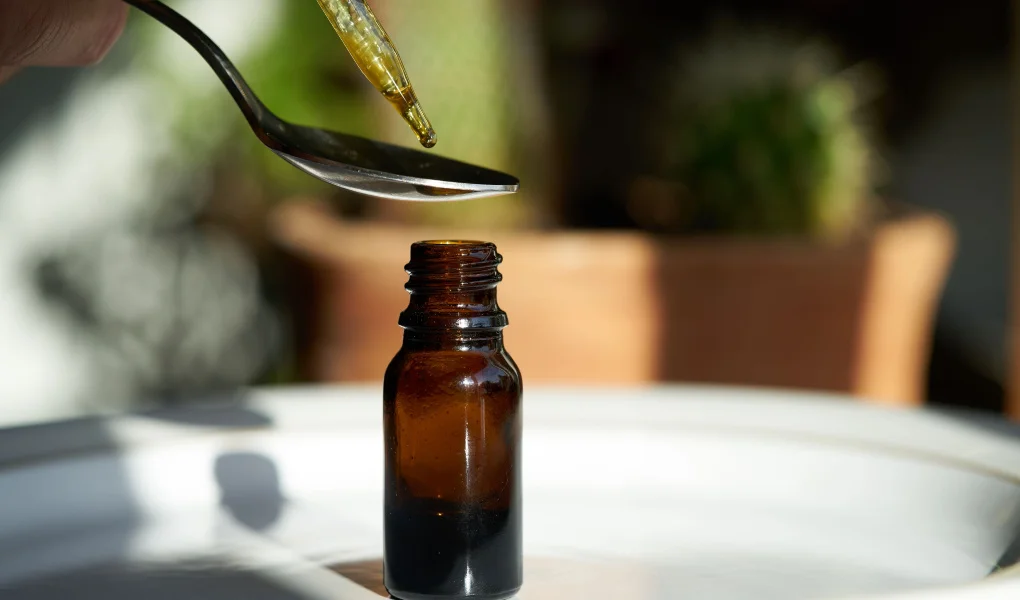
Choosing the right CBD dosage for you is not easy since the FDA does not look at CBD as medication, nor does it dictate the right potency for you or how much CBD oil you can take. This article guides you through determining your CBD dosage and expounds more on CBD as a compound.
As the hype and demand for CBD increase, people ask more questions about the cannabinoid as they embrace CBD oil. For instance, many ask what the right CBD dosage would be for any CBD product. Unfortunately, the FDA does not look at CBD as a drug for treating or curing any health condition and offers no guidelines on how to dose CBD. Still, knowing that factors affecting CBD dosage helps you know how much CBD to take. Many factors come to play as far as dosing CBD matters. Your CBD history and metabolism matter, and it’s no wonder that people with faster CBD metabolism and who have been in the CBD world for long may take more CBD than newcomers with low CBD metabolism. Meanwhile, the more potent your CBD product is, the less CBD you will have to take to feel the needed CBD effects. Here is all you need to know about how to dose CBD oil and other delivery items.
What Is CBD?
Before seeing how to dose CBD, you need to understand what CBD is. The term has become part of the street talks, and we cannot have enough of it. What is CBD? According to Mascal et al. (2019), CBD is the non-intoxicating chemical compound in cannabis plants like hemp. Non-intoxicating means that taking CBD will not make you high as smoking weed. The active compounds in cannabis plants are called cannabinoids, and nature offers more than 100 such kinds. Yet, CBD remains at the top of the list as the most widely bought cannabinoids. THC is another popular and abundant cannabinoid, but it is not everyone’s cup of tea. Schlienz et al. (2018) noted that it is psychoactive and is linked to the high effect of smoking weed, hence why many do not relate to it. CBD comes in many forms, including in edibles, topicals, oils, and tinctures, as later seen in this article. Why, though, do people opt for CBD and no other cannabinoids?
Why Do People Take CBD?
According to Watt & Karl (2017), CBD is therapeutic, and many want to tap into this therapy. According to a Forbes Health (2022) report, more than 60% of the US adults in a survey were taking some form of CBD, revealing that CBD is widely consumed by many. The other reason for the popularity of CBD is its increased availability. You can easily find CBD in the stores and online since many brands have ventured into CBD production. People also love CBD for how diversified it is; you can enjoy it in different formulations and products, and all you have to do is to choose your best item well. Moreover, CBD oil is popular for its legal status. When the Farm Bill was passed in 2018, hemp derivatives with less than 0.3% THC were made federally legal. Thus, CBD is federally legal as long as it has less than 0.3% THC and is sourced from hemp. Still, it is worth noting that the full legality of CBD varies across states, and while the cannabinoid might be fully legal in one state, another might regard it as partially legal or entirely illegal.
CBD Potency, Concentration, and Dosage
Dosing CBD is not easy, and before then, you need to understand some terms you will interact with a lot in the CBD world. For instance, what is the difference between CBD concentration and potency? CBD concentration refers to the amount of CBD in a CBD product, often written in black and bold on the product’s container. It is normally measured out in mg and is easily read off the labels, so you need not do any calculations to determine the CBD concentration of a product. Meanwhile, the CBD potency is the concentration of CBD per unit volume of the product in question. For instance, a 1000 mg CBD oil bottle with 25 ml oil is 40 mg/ml potent, meaning that every ml of the oil has 40 mg of CBD. CBD potency is often written on the container, but it is not there; you can calculate it by slashing CBD concentration by volume. How about CBD dosage? It is the amount of CBD you take per session. For instance, if your CBD oil dropper measures 1 ml, the CBD amount you are taking is the potency of the cannabinoid. Much of the dosage depends on the potency and concentration of the CBD product in question.
How Much CBD Can You Take/ Determining Your CBD Dosage
After understanding the concept of CBD potency, concentration, and dosage, you are set to know how to determine your CBD dosage. Many wonder how much CBD can on take? Sadly, there is no such a thing as the one-size-fits-all in the CBD world, and you cannot tell how much CBD every CBD fan can take. The FDA does not look at CBD as a drug for any medical condition, so it does not recommend how much of it one can take. As such, we advise CBD users to talk to doctors before starting the CBD regime since the professionals can advise them about how much CBD to take. Meanwhile, many CBD fans who do not consult professionals ahead of joining the CBD regime must determine their own CBD dosage. Are you in such a situation? Knowing the factors affecting CBD dosage may be helpful.
Factors Affecting Your CBD Dosage
Although the FDA does not recommend how much CBD you can take, knowing the factors affecting the right dosage helps you understand how to determine how much CBD you can take. Your right CBD dosage depends on the following factors;
i. CBD metabolism; the faster your system can process CBD, the more the CBD it can sustain. The reverse is true since slow CBD metabolism means you can only take a little CBD.
ii. Body factors; your weight, genes, and many other inherent body factors might affect your CBD metabolism, ultimately determining how much CBD you can take per session.
iii. The CBD product’s potency and quality; depending on the potency of your CBD product, you can take little or more CBD to feel the cannabinoid’s effects. The more potent the CBD product, the less the CBD you need to feel CBD effects, and the reverse is also true.
iv. CBD history; how long you have been taking CBD matters, determining your CBD potency. When new to the CBD world, you may only be able to take a little CBD, but as you get used to the cannabinoid, you may realize that you can put up with a little more CBD.
v. Why you are taking CBD; all factors left constant, the purpose behind taking CBD matters and determines how much of a CBD product you can take. People who need CBD for general well-being need only a little CBD but taking the cannabinoid for health conditions may mean taking a little more of it.
vi. The severity of the condition; even when taking CBD for a medical condition, its severity matters and determines how much of it you can take. The more serious your condition is, the more CBD you might need.
Start Low and Work Your Way Up
The factors above will not tell you how much CBD you can take. However, they guide you in determining how much CBD might be good for you. Looking at your CBD metabolism and potency, body factors, CBD history, the purpose for the CBD, and how much CBD you can take certainly helps you determine your CBD dosage. As a rule of thumb, you should start low on CBD product dosage and work your way up. CBD products are expensive, and the more you get used to low potencies and dosages, the better. You can record how your body responds to the CBD you take on a journal and tell when to adjust the dosages. Most CBD users change their CBD dosages after 2 weeks, and you can do the same before upping the amount of CBD you take.
What Is the Right CBD Potency for You?
Besides the CBD dosage, you must know the right CBD potency for you. In fact, the two factors are related since your potency determines your CBD dosage, although the dosage does not necessarily affect the CBD potency. Generally, the more potent your CBD product is, the less you need to feel its effects. Meanwhile, low-potency CBD products might have to be taken in high amounts to feel CBD effects at all. If you target 50 mg CBD per day in two sessions, you need 1 ml, each having 25 mg of CBD. However, you only need 0.5 ml of CBD oil if its potency is 50 mg per 0.5 ml. Thus, the more you invest in potency, the less CBD you need. Still, no one potency fits all CBD users. Your CBD history and metabolism, body factors, and the purpose for CBD all affect how strong your CBD products you might need. The general rule of thumb applies still, where you must start low on the CBD potency and work your way up as you get used to the CBD world.
How to Take CBD
After determining your CBD potency and dosage as you join the CBD world, you must know to take CBD. Thankfully, there is no one method you must stick to. Rather, there are many ways to go about administering CBD, and you can choose one depending on your preferences. You can orally or sublingually take CBD by venturing into CBD oils. If you find them bitter, you must add them to foods and drinks, which compromises bioavailability but still allows you to benefit from them. You can also ingest CBD by swallowing CBD capsules or munching CBD edibles. Each method has pros and cons, and these two CBD delivery methods are no exception. They allow you to feel CBD effects without letting your tongue come into contact with CBD bitterness, but they may slow down CBD delivery. The other way to take CBD is to inhale CBD vape oils which is the fastest way to take CBD. Still, according to the AP News (2019) and CDC (2020) reports, CBD and substance vaping may allow contaminants and carcinogens into your system, increasing your risks of lung irritation, infection, and cancer. CBD is also good for the skin, and you can venture into CBD topicals like patches, balms, creams, and massage oils which revitalize the skin. Still, studies are ongoing to prove that topicals like the above-mentioned are effective. CBD oils and tinctures are the most popular way to take CBD since they allow fast CBD delivery, although they may be bitter. If you find the bitter and earthy tastes of CBD oils and tinctures unbearable, you can take them with drops of sweeteners like honey that perfectly mask the tastes, allowing you to enjoy the cannabinoid without them. Ultimately, you must choose the cons to deal with since each method has strengths and weaknesses, and there is no one perfect way to take CBD.
CBD Benefits
CBD is a novel compound, and its products are quite expensive. Thus, you must know what CBD can do to your body before spending your hard-earned cash on it. What are CBD benefits? According to Watt & Karl (2017), CBD is therapeutic, and many want to tap into this therapy. Studies like Schuelert & McDougall (2011) and Hammell et al. (2016) reported that CBD could help with inflammation and many CBD fans are after the cannabinoid topicals for this reason. Vučković et al. (2018) and Costa et al. (2007) noted that CBD could help with pain, and many pain-relieving creams feature the cannabinoid for this benefit. Moreover, Russo et al. (2007) and Chagas et al. (2014) found CBD good for sleep issues, hence why many people are after CBD capsules and edibles in hopes of solving sleep complications.
Pros of CBD
Besides the health-related benefits of CBD, there are many general benefits of the cannabinoid which people relate to. First, CBD comes in different products, including CBD oils, tinctures, edibles, vapes, and topicals, allowing the user to have many options from which to choose. Besides, you can find each of the CBD delivery methods easily, whether you like online or in-store shopping. CBD with less than 0.3% THC is federally legal, which is yet another pro about the non-psychoactive cannabinoid. As such, many states are trying to wholly legalize CBD, making it easier to find CBD products whenever you wish. CBD products like edibles and capsules make it easy to dose the cannabinoid since they come preloaded with CBD and you need not measure out the cannabinoid. Still, CBD oils and tinctures have major dosing issues since you must use the dropper to determine how much you need, which is always challenging.
Cons of CBD
CBD seems like the one-for-all cure for every health challenge, which is not always the case. Does CBD have any cons? Of course, yes, like anything with two sides, CBD has as many cons as pros. Dosing is the biggest product with each CBD product you choose, but this article has helped you know how to go about this. The other challenge with every CBD product is the lack of CBD studies. People see much potential in CBD, but studies are yet to determine how well the cannabinoid can measure up to these challenges. The lack of CBD regulation is yet another challenge facing all CBD products. The FDA does not look at CBD as a medication for any health challenge, so it does not recommend how much of it you need to take or regulate the brand dealing in CBD products. For this very reason, it is more than easy to take CBD products with contaminants, increasing your chances of health challenges with the cannabinoid. With more studies and regulation on CBD production, you can rest assured of the safety of CBD. In the meantime, focusing on 3rd party test results helps increase your chances of landing quality products.
Which Is the Best Type of CBD?
Are you set to shop for CBD? You must know the types of CBD to try. There are at least three types of CBD to which every CBD product belongs to. There is no better CBD type than the other, and the three options allow you to choose what best fits your needs. CBD comes in isolate, full- or broad-spectrum CBD types. Isolate CBD formulation features the cannabinoid in its purest form without THC or additional cannabis compounds. Full- and broad-spectrum CBD features CBD with extra hemp compounds, and while the former has THC, broad-spectrum CBD does not have THC, allowing you to enjoy CBD without fearing getting high. No CBD formulation is better than the other, and each allows you to get CBD in the form you like the most.
Should You Try CBD?
This article has helped you know the cons and pros of CBD. Thus, you understand the implication of introducing CBD into your system. Whether you take CBD and the form or product you choose is personal. Either way, you must ensure the CBD product you are buying offers updated 3rd party test results, helping you know the purity status of the product at hand. Meanwhile, keep looking for the most recent studies on CBD to know the new realizations about it.
Conclusion
Dosing CBD is not easy since the FDA does not offer guidelines on how to go about this. Still, knowing the factors that matter regarding dosing CBD helps you decide how much CBD you can take. This article helps you appreciate that your CBD metabolism, history, and the potency of the CBD product determine how much CBD you can take. It is best to start low on the cannabinoid and work your way up since CBD is expensive, and the less it takes to feel its effects, the less you spend on the cannabinoid. Peer into this article to understand the concept of CBD dosing and related factors like concentration and potency.
References
AP News (2019). How the Associated Press Collected Information on CBD Vapes.
Centers for Disease Control and Prevention. (2020). Outbreak of lung injury associated
with the use of e-cigarette, or vaping, products.
Chagas, M. H., Eckeli, A. L., Zuardi, A. W., Pena‐Pereira, M. A., Sobreira‐Neto, M. A.,
Sobreira, E. T., … & Crippa, J. A. D. S. (2014). Cannabidiol can improve complex
sleep‐related behaviours associated with rapid eye movement sleep behaviour
disorder in Parkinson’s disease patients: a case series. Journal of clinical
dpharmacy and therapeutics, 39(5), 564-566.
Costa, B., Trovato, A. E., Comelli, F., Giagnoni, G., & Colleoni, M. (2007). The non-
psychoactive cannabis constituent cannabidiol is an orally effective therapeutic
agent in chronic rat inflammatory and neuropathic pain. European journal of
pharmacology, 556(1-3), 75–83.
Forbes Health (2022). What to Know about Types of CBD.
Hammell, D. C., Zhang, L. P., Ma, F., Abshire, S. M., McIlwrath, S. L., Stinchcomb, A. L.,
& Westlund, K. N. (2016). Transdermal cannabidiol reduces inflammation and
pain-related behaviours in a rat model of arthritis. European journal of pain
(London, England), 20(6), 936–948.
Mascal, M., Hafezi, N., Wang, D., Hu, Y., Serra, G., Dallas, M. L., & Spencer, J. P. (2019).
Synthetic, non-intoxicating 8, 9-dihydrocannabidiol for the mitigation of seizures.
Scientific reports, 9(1), 1-6.
Russo, E. B., Guy, G. W., & Robson, P. J. (2007). Cannabis, pain, and sleep: lessons from
therapeutic clinical trials of Sativex®, a cannabis‐based medicine. Chemistry &
biodiversity, 4(8), 1729-1743.
Schlienz, N. J., Lee, D. C., Stitzer, M. L., & Vandrey, R. (2018). The effect of high-dose
dronabinol (oral THC) maintenance on cannabis self-administration. Drug and
alcohol dependence, 187, 254-260.
Schuelert, N., & McDougall, J. J. (2011). The abnormal cannabidiol analogue O-1602
reduces nociception in a rat model of acute arthritis via the putative cannabinoid
receptor GPR55. Neuroscience letters, 500(1), 72–76.
Vučković, S., Srebro, D., Vujović, K. S., Vučetić, Č., & Prostran, M. (2018). Cannabinoids
and pain: new insights from old molecules. Frontiers in pharmacology, 1259.
Watt, G., & Karl, T. (2017). In vivo evidence for therapeutic properties of cannabidiol
(CBD) for Alzheimer’s disease. Frontiers in pharmacology, 8, 20.