

DOES CBD CREAM SHOW IN A DRUG TEST?
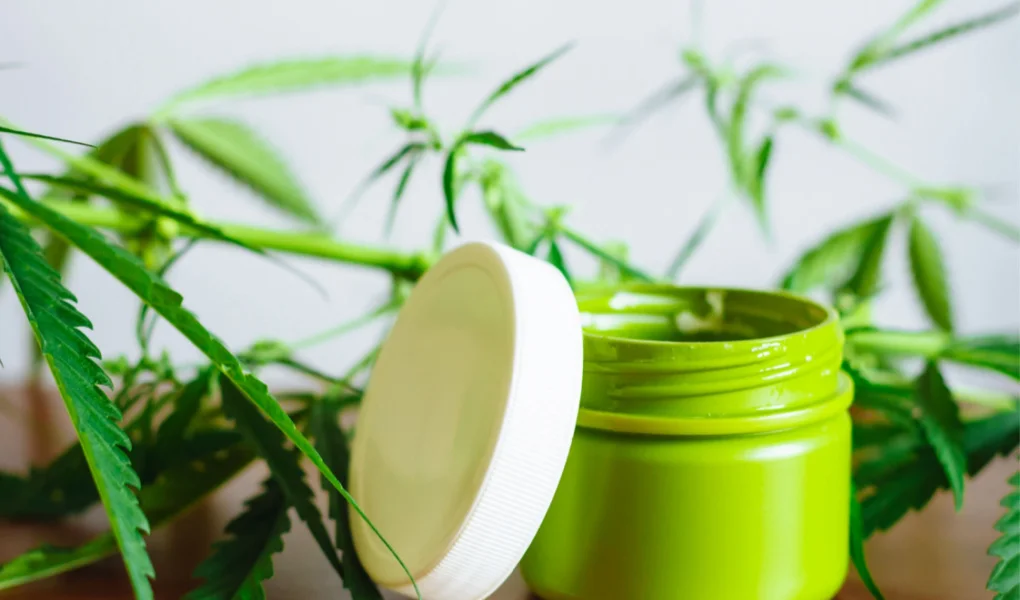
Since CBD cream does not let cannabinoids get into your blood system, it does not make you fail drug tests. This is true whether you are opting for THC-filled or THC-free CBD creams. This article helps you know how CBD creams impact your drug test results and related topics.
CBD creams are becoming quite popular for skin conditions partly because they do not show up in drug tests. Whether you go for THC-free CBD creams or topicals with THC as part of the ingredient list, rest assured that it will show up in drug tests. Topical CBD products like creams and patches do not let the cannabinoids in them go beyond the top layer of the skin; hence they will not show up in drug tests. Still, quality is key in choosing CBD topicals since the ingredients in the cream may wreak havoc on the skin. CBD creams are easy to use, and you will not have a hard time with them if you have been using other creams and other topicals in the past. What is CBD cream, and why do people like it? Does it make you high? How about CBD creams and drug tests? There are a few of the many questions this article answers. Before then, let’s see more about CBD as a compound.
What Is CBD?
The hype around CBD keeps growing, and it does not seem like there is any product that cannot feature CBD. From foods to drinks to beauty and skincare products, CBD is the new ingredient that each industry does not want to leave out. Besides, CBD demand grows, and many CBD products are on the market. What is CBD, and why do many people find it relatable? According to Mascal et al. (2019) and Kicman & Toczek (2020), CBD is a non-intoxicating chemical compound in cannabis plants. The cannabis class is vast and features many plants, including hemp and marijuana. Each plant in the cannabis class features active chemical compounds called cannabinoids, whose total count is more than 100, and more are coming up. Of the 100+ cannabinoids in nature, CBD happens to be the most popular. THC is yet another cannabinoid that is attracting much scientific attention, but as Schlienz et al. (2018) noted, it is psychoactive, and using it makes you feel high. Watt & Karl (2017) found CBD therapeutic, another reason for CBD popularity.
How to Take CBD
Do you feel like trying CBD products? You must know how to effectively take the cannabinoid and get the most out of it. There are many ways to take CBD and get the most out of it, and the following are some of the options you would like to explore;
i. Ingest CBD; you can swallow CBD capsules, allowing you to benefit from CBD without feeling its earthiness and bitterness.
ii. Administer CBD oil orally or sublingually; put CBD drops on or below the tongue, allowing yourself to get CBD into your system and feel CBD effects fast.
iii. Eat or munch CBD; you can buy CBD edibles like honey sticks, chocolates, and gummies, a method that allows you to feel CBD effects with taste and flavor, although you must wait for the expected results for longer.
iv. Cook with CBD; besides buying ready-to-use CBD edibles, you can buy CBD oils, tinctures, and isolate powder and use them to prepare CBD edibles within the comfort of your home.
v. Apply CBD to the skin; you can opt for CBD creams, patches, balms, and massage oils, among many other options, and apply them to your skin.
vi. Vape CBD oil; CBD comes in inhalable forms, CBD vape oils, that let CBD into your system almost immediately. Still, the AP News (2019) and the Center for Disease Control and Prevention, CDC (2020) reports warned against substance vaping, showing that the practice may sneak contaminants and carcinogens into your system, increasing one’s risk for lung infections.
What Is CBD Cream?
One way to benefit from CBD is to apply CBD topicals like creams to the skin. What are CBD creams? They are CBD-infused topical products. They are emollients and have water, preservatives, essential oils, and CBD as the key ingredients. They are meant for topical application and are not used otherwise. CBD creams have multiple uses, depending on the type you settle for. You can use it on the feet, hand, or whole body if they are designed for these body parts. SO far, there are no records of CBD creams irritating the skin, so there is little to worry about as you use the creams. Still, you must read the ingredient list of the CBD cream to ensure none of the components making it up causes irritation. Besides, quality is key while shopping for CBD products, and CBD creams are no exception. You’d rather spend a lot on the cream but get products that deliver the expected results without jeopardizing your health.
Do CBD Creams Show Up in Drug Tests?
Back to the article’s main topic, many wonder if CBD creams will appear in drug tests. Have you used CBD creams for some time and fear taking drug tests? Thankfully, you have nothing to worry about since CBD topicals like creams will not show up in drug tests. Cannabis drug tests seek to detect THC and its metabolites, and the least THC traces in a product may show up in drug tests, making you flop. However, this does not apply to topical CBD products, which will not show up in drug tests whether they have THC or not. The main reason for this is that topicals do not allow CBD, THC, and other cannabinoids to go past the top layer of the skin. In fact, the primary reason behind the popularity of CBD topicals is that they allow you to feel CBD effects without letting the cannabinoid into your system. Even though CBD creams will not make you fail drug tests, you must focus on quality since the ingredients in the cream will interact with the body, resulting in good or bad effects, depending on what makes up the product.
Do CBD Creams Make You High?
Besides knowing if CBD cream will make you fail the drug test, you need to know if the cannabis topical will make you high. The high effect is linked to THC, as Schlienz et al. (2018) noted. THC is a cannabinoid of much scientific interest, but it cannot compare t CBD in popularity since the high effect means it is not everybody’s cup of tea. How about CBD? According to Bauer et al. (2020), CBD is non-intoxicating, and taking it in any deliverable method does not make you high. Shannon et al. (2019) reported that CBD reduces anxiety, stress, and pain, which is quite relieving. Some CBD fans compare using CBD topicals to a mellow feeling, but this should not be confused with the high effect of smoking weed. Regardless of the THC percentage in CBD creams, they will not make you high. As with the case of CBD creams and drug tests, it is worth noting that creams do not let THC into the blood system, hence why you will not get high from topicals like CBD creams.
How to Apply CBD Cream
Buying CBD products is one thing and knowing how to use them best to get the most out of them is another. How do you apply CBD cream to the skin to benefit from it? It is worth noting that CBD creams are easy to use, just like any CBD product. In fact, almost everyone has used topicals, with or without CBD, which is why applying CBD topicals is not easy. Here are the simple steps you must follow to apply CBD creams and get the most from them;
i. Wash the skin on the target area to get rid of dirt, oils, and dead skin cells
ii. Pat dry the surface to which you want to apply CBD cream
iii. Using your clean fingertips, scoop a little CBD cream
iv. Put the cream on one palm and rub the two palms gently to activate the cream
v. Apply the cream to the target area, each time massaging it gently
Cons of CBD Creams
CBD creams will not make you high or show up in drug tests, which is one reason some CBD fans would not do without it. The American Academy of Dermatology (Feb 2018) noted that many CBD fans are opting for CBD topicals to manage skin conditions, confirming the Forbes Health (2022) report that more than 60% of US adults are on one form of CBD, including topicals like CBD creams. Does the widespread use of CBD topicals mean that CBD creams have no flaws? No, applying CBD topicals features many challenges, just like any other CBD product. Most importantly, CBD creams compromise the bioavailability of CBD. The body does not get to benefit from 100% CBD in the cream, which is the same for other CBD products. The other concern with CBD creams is that studies are ongoing to determine the effectiveness of the creams. Some CBD fans feel like spending much on products whose effectiveness is debatable warrants a waste of money, hence why the creams are not everybody’s cup of tea. Lastly, the safety concerns surrounding other CBD products do not exempt CBD creams; we are yet to know if they are safe for human beings.
Other Ways of Taking CBD
Since CBD creams have cons like any other topical products, it helps to have many options to tap into and enjoy CBD. Thankfully, there are many options you may want to go for and still benefit from CBD. Most importantly, you can choose CBD oils and tinctures, which despite being bitter and earthy, allow CBD into the system quite fast. As long as you can mask the bitterness and earthiness of CBD oils and tinctures, you can enjoy CBD and feel its effects quickly. If you find CBD oils unbearable, you have the option of CBD edibles like gummies and chocolates. They allow you to enjoy CBD in multiple flavored, color, and strength options but delay CBD effects. You realize that CBD edibles need time for digestion before releasing CBD into the bloodstream, and the longer the cannabinoid takes in the digestive tract, the more it loses potency and bioavailability. The other option you can explore to enjoy CBD besides oils and edibles is CBD capsules which are capped, allowing the body to feel CBD effects without letting the tongue taste the cannabinoid. As with CBD edibles, capsules go through the digestive system, and the longer they stay on this track, the more the CBD loses bioavailability and potency. Still, it is worth noting that it takes CBD caps a little time to dissolve, so you will feel their effects almost immediately. The other option for enjoying CBD would be vaping the cannabinoid. Still, many concerns surround CBD vaping; hence it may not be the best option to go for.
How Often Do You Use CBD Cream?
When new to the CBD regime, you have any questions, including how often you can apply the CBD cream. Sadly, the FDA does not look at CBD as a drug for treating, healing, or curing a medical challenge, nor has it recommended how you can use CBD products like CBD creams. Thus, CBD users must determine how to use CBD products. Thankfully, most CBD creams feature instructions for use, so there is not so much you need to worry about. Besides, you can speak to your doctor before trying any CBD product. Doing so helps you know how to use the cream and the likelihood of negative side effects of the cream. Still, how often you apply CBD cream to the body depends on many factors, including why you are applying the topical and the severity of the medical condition in case you have one for which you are using the CBD cream. CBD cream for general well-being would be enough if applied once a day like you do other topicals. However, using the cream for skin dryness means you can apply the cannabinoid many times a day. Regardless of how often you apply CBD cream, test assured of reaping the CBD-related health benefits. For instance, Hammell et al. (2016) and Gallily et al. (2015) found CBD great for inflammation, and you can get these benefits from CBD creams. It is worth noting that how much you can gain from CBD creams depends on many things, including the quality of the product in question.
How Much CBD Should Be in the CBD Cream?
Many would like to know how much CBD is in the CBD cream. Sadly, the FDA does not look at CBD as a drug for treating or curing anything, nor does it recommend how to take it. Thus, you must figure out how much CBD will be in the CBD product you want to take, even if it is CBD cream. As a rule of thumb, you must keep CBD potency and dosages low when new to the cannabinoid world. However, you can always work your way if you feel that the CBD cream is not giving you the results you expected from it. Many factors come to play as far as the CBD in your CBD cream is key. For instance, why you are taking the cream matters, whether you want it for general well-being or would like it for managing a health condition whose severity also matters. CBD cream for general well-being might be ok in low potencies, while creams for pain or health condition need to be more potent. Besides, the severer the condition for which you are taking CBD, the more potent the CBD cream might be. Still, according to Ewing et al. (2015), too much CBD might cause health complications, so you must take caution not to put too much CBD into your system. Of course, the CBD in CBD creams does not get into the bloodstream, but it is better to err on the side of caution. CBD is expensive, and getting used to low-potency options helps you save on cost while getting the most out of CBD.
How CBD in the CBD Cream Works
Knowing how CBD creams work helps you appreciate them. Although CBD studies are in infancy, there is at least some information on how CBD works. Whether you take CBD through creams or edible products, the system that facilitates CBD functioning is one and the same. According to McPartLand et al. (2015) and Di Marzo & Piscitelli (2015), the human body and life forms have a network called an endocannabinoid system (ECS). It features endocannabinoids, enzymes, and endocannabinoid receptors that work together to bring THC, CBD, and other external cannabinoids to work. The studies show that THC has a high affinity to the ECS receptors and binds to them. However, CBD does not bind to the receptors, but it is still effective for the many health benefits linked to it. According to Eskander et al. (2020), the interaction between the ECS and CBD results in reduced back pain.
CBD Skincare Benefits
The relation between CBD and the ECS equals the much you can gain from the non-intoxicating chemical compound. Studies see much potential in CBD, although there is a need for further studies to prove the claims true. For instance, Schuelert & McDougall (2011) found CBD great for inflammation, a finding Hammell et al. (2016) and Gallily et al. (2015) also reported. Andre et al. (2016) reported that CBD has powerful antifungal and antibacterial properties, and many skin products now feature CBD as a key ingredient to protect the skin from pathogenic attacks. According to Atalay et al. (2019), CBD features antioxidants and anti-inflammatory components, which the skin can benefit from as you use CBD creams.
Conclusion
CBD creams do not show up in drug tests, neither do they make you high. Whether or not there is THC in the CBD cream, it is worth noting that you will not feel high or fail drug tests from them. Most importantly, CBD does not make you high or lead to drug tests, hence the low possibility of CBD creams making you feel any of these negative effects. Besides, topicals like CBD creams do not the cannabinoids in them get into the bloodstream, all the more why they will not show up in drug tests. Still, as you shop for CBD products, quality is key. The CBD cream you are buying must be free of contaminants or potentially harsh compounds. Peer into this article for more on CBD creams for drug tests.
References
American Academy of Dermatology. (Feb, 2018). Public, researchers demonstrate
growing interest in cannabis treatment. Topical application shows promise for
skin diseases.
Andre, C. M., Hausman, J. F., & Guerriero, G. (2016). Cannabis sativa: The Plant of the
Thousand and One Molecules. Frontiers in plant science, 7, 19.
AP News (2019). How the Associated Press Collected Information on CBD Vapes.
Atalay, S., Jarocka-Karpowicz, I., & Skrzydlewska, E. (2019). Antioxidative and Anti-
Inflammatory Properties of Cannabidiol. Antioxidants (Basel, Switzerland), 9(1), 21.
Bauer, B. A. (2020). What Are The Benefits Of CBD–And Is It Safe To Use?. In Mayo Clinic.
Centers for Disease Control and Prevention. (2020). Outbreak of lung injury associated
with the use of e-cigarette, or vaping, products.
Di Marzo, V., & Piscitelli, F. (2015). The endocannabinoid system and its modulation by
phytocannabinoids. Neurotherapeutics, 12(4), 692-698.
Elms, L., Shannon, S., Hughes, S., & Lewis, N. (2019). Cannabidiol in the Treatment of
Post-Traumatic Stress Disorder: A Case Series. Journal of alternative and
complementary medicine (New York, N.Y.), 25(4), 392–397.
Eskander, J. P., Spall, J., Spall, A., Shah, R. V., & Kaye, A. D. (2020). Cannabidiol (CBD)
as a treatment of acute and chronic back pain: A case series and literature review.
J Opioid Manag, 16(3), 215-8.
Ewing, L. E., Skinner, C. M., Quick, C. M., Kennon-McGill, S., McGill, M. R., Walker, L.
A. … & Koturbash, I. (2019). Hepatotoxicity of a cannabidiol-rich cannabis extract
in the mouse model. Molecules, 24(9), 1694.
Forbes Health (2022). What to Know about Types of CBD.
Gallily, R., Yekhtin, Z., & Hanuš, L. O. (2015). Overcoming the bell-shaped dose-
response of cannabidiol by using cannabis extract enriched in cannabidiol.
Pharmacology & Pharmacy, 6(02), 75.
Hammell, D. C., Zhang, L. P., Ma, F., Abshire, S. M., McIlwrath, S. L., Stinchcomb, A. L.,
& Westlund, K. N. (2016). Transdermal cannabidiol reduces inflammation and
pain-related behaviours in a rat model of arthritis. European journal of pain
(London, England), 20(6), 936–948.
Kicman, A., & Toczek, M. (2020). The effects of cannabidiol, a non-intoxicating
compound of cannabis, on the cardiovascular system in health and disease.
International journal of molecular sciences, 21(18), 6740.
Mascal, M., Hafezi, N., Wang, D., Hu, Y., Serra, G., Dallas, M. L., & Spencer, J. P. (2019).
Synthetic, non-intoxicating 8, 9-dihydrocannabidiol for the mitigation of seizures.
Scientific reports, 9(1), 1-6.
McPartland, J. M., Duncan, M., Di Marzo, V., & Pertwee, R. G. (2015). Are cannabidiol
and Δ9‐tetrahydrocannabivarin negative modulators of the endocannabinoid
system? A systematic review. British journal of pharmacology, 172(3), 737-753.
Schlienz, N. J., Lee, D. C., Stitzer, M. L., & Vandrey, R. (2018). The effect of high-dose
dronabinol (oral THC) maintenance on cannabis self-administration. Drug and
alcohol dependence, 187, 254-260.
Schuelert, N., & McDougall, J. J. (2011). The abnormal cannabidiol analogue O-1602
reduces nociception in a rat model of acute arthritis via the putative cannabinoid
receptor GPR55. Neuroscience letters, 500(1), 72–76.
Watt, G., & Karl, T. (2017). In vivo evidence for therapeutic properties of cannabidiol
(CBD) for Alzheimer’s disease. Frontiers in pharmacology, 8, 20.