

WHAT IS CBD ISOLATE?
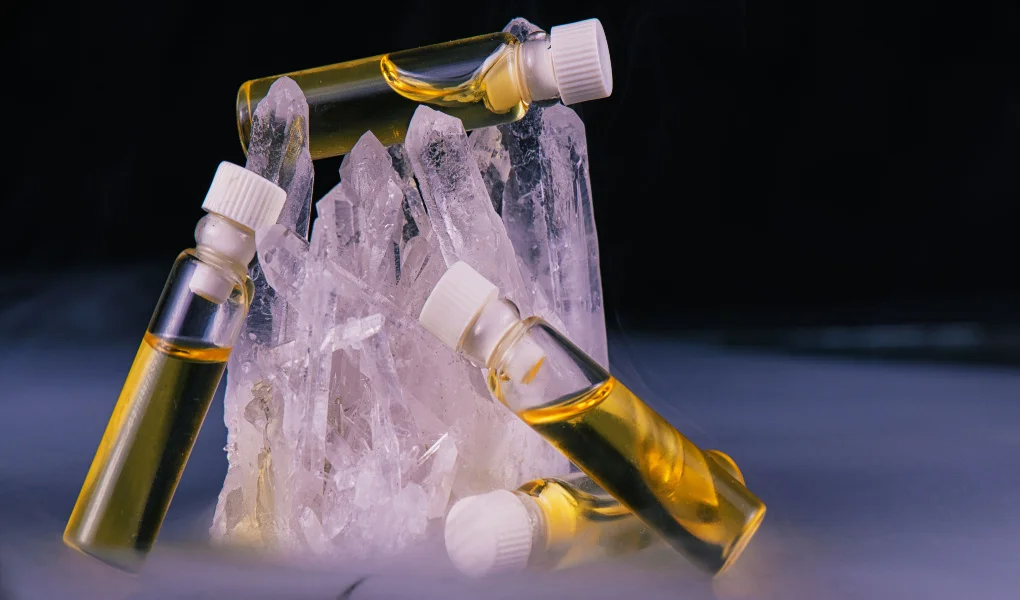
CBD isolate is the purest form of CBD without THC or other hemp compounds. You can mix it with a carrier oil and consume it. Apply it to the skin, or smoke it. Since it lacks THC, it does not have a high effect. Here is all you need to know about CBD isolates.
There are many ways to enjoy CBD, CBD isolates being one. Unlike full- and broad-spectrum CBD, which has flavonoids, terpenes, extra cannabinoids, and may have THC (for full-spectrum CBD), CBD isolates are the purest form of CBD. You get to enjoy 99% pure CBD without any earthiness or nuttiness of the extra hemp compounds. Despite not having additional compounds, CBD isolate is not inferior. Rather, it has as many benefits as other types of CBD, only that it may not have the full entourage effect. CBD isolates come in different forms; homemade or bought. You can buy the isolate by grams in powder or crystalline form and mix it with a carrier oil or put it in capsules and take it. Besides, you can buy CBD isolate vapes, oils, tinctures, gummies, capsules, and other methods by which CBD is delivered. Since it does not have THC, CBD isolates will not make you high or lead to positive drug test results. Do you enjoy CBD but do not like the earthiness of extra compounds in the cannabinoid? You can explore CBD benefits by trying CBD isolates. This article details all you need to know about CBD isolates.
Introducing CBD
CBD is one of the topics forming the subject of discussions everywhere. In the streets and online, CBD is the order of the day. Thus, many wonder what CBD is and why people like it so much. Massi et al. (2006) and Bauer et al. (2020) defined CBD as the non-psychoactive chemical compound in hemp and other cannabis plants. There are many cannabis plants in nature, each having several active compounds called cannabinoids. CBD is one of the cannabinoids and rises to the top among the 100+ compounds in nature; why? According to Watt & Karl (2017), CBD is therapeutic. Many believe in CBD therapy, which is why the cannabinoid is growing this fast in popularity. CBD comes in different forms and delivery methods, and you can explore them to take advantage of the cannabinoid. From CBD oils to topicals, CBD companies got you covered; you can always find products that meet your needs.
Types of CBD
CBD is an umbrella term with several forms and types. If you were to go shopping for CBD, you would be surprised at what products to pick, and out of confusion, you will likely make mistakes. It is worth noting that CBD is a compound, and you cannot take it as it- the cells will not absorb it. Thus, you must tale CBD in one of its delivery methods, including CBD oils, tinctures, edibles, topicals, vapes, and dabs. Whichever product you choose to take, you can choose one of the following three types of CBD;
i. Full-spectrum CBD; allows a range of cannabinoids, including THC, flavonoids, and terpenes, besides CBD. According to VanDolah et al. (2019), the multiple compounds in full-spectrum CBD give it a full entourage effect.
ii. CBD isolate; is the opposite of full-spectrum CBD, featuring the purest form of CBD. It has CBD without additional compounds like flavonoids, terpenes, or extra compounds.
iii. Broad-spectrum CBD; is the in-between CBD form. It has many compounds as full-spectrum CBD but does not have THC. It has other cannabinoids, terpenes, and flavonoids but no THC, making it a great option if you want to enjoy a THC-free full entourage effect.
What Is CBD Isolate?
There are three types of CBD as above. CBD is one type of CBD and the purest form of the cannabinoid. It is highly processed and features CBD without THC, flavonoids, terpenes, and additional cannabinoids, which is why it is called the purest form of CBD. CBD isolate usually comes in crystalline or powdered form, which you can buy and mix with carrier oils to make CBD oils or massage oils. Besides, CBD isolates come in other forms of CBD, and you can buy them from gas stations, CBD shops, and online, among other options. Most CBD brands featuring CBD isolate as the primary way to deliver CBD offer the isolate in powder and crystalline forms that you can measure out in grams or wholesale and enjoy CBD benefits. The powder mixes well with soups, sauces, and other dishes, allowing you to explore CBD benefits.
How Are CBD Isolates Made?
Before settling for CBD isolates as your primary way to take CBD, you want to know how they are made. Once hemp matures, the leaves, flowers, stems, and other useful parts are harvested. Once dried and cured, they are taken to the processing unit, where an appropriate extraction method is used to strip CBD from the hemp surface. The methods use gas, pressure, heat, or a combination of options that allows them to get the best results. To make CBD isolates, every other compound in hemp are removed, and pure CBD is left. Because of the level of processing that isolates go through to form, the extracts usually feature crystals which are then made into powder. Still, you can find CBD isolate crystals in CBD shops and outlets. When shopping for CBD isolates, you can buy the crystals or powder and incorporate it into capsules, oils, or topicals. Still, you can also choose fully formed CBD deliverable methods like gummies and tinctures.
Are Isolates Inferior?
Since CBD isolates do not have other compounds in hemp, you may easily think it is inferior to other forms of CBD. How true is this? CBD studies are in infancy, but one thing you can be certain about is that the isolates are not inferior. In fact, if they were indeed inferior, they would not be in the market, and no one would opt for them. Thus, CBD isolates make a great CBD version for people who want to enjoy CBD but find the terpenes, flavonoids, and extra cannabinoids resulting in an earthy taste they don’t like. Following the lack of extra compounds in CBD isolates, they do not have the characteristic earthy taste of hemp compounds. Still, if you choose to enjoy it, you must be willing to let go of the full entourage effect, the synergistic result of the multiple hemp compounds.
Who Should Take CBD Isolate?
Since CBD isolates are on the market, who should take them? Any person can take CBD, in whichever form, isolates included. Of course, taking CBD and making it part of your regimen is personal, but a lot comes into play. CBD studies are ongoing, and so far, the safety of CBD is yet to be decided. Of course, studies like Corroon & Phillips (2017) noted that CBD has a healthy safety profile, but this does not give you the go-ahead to flex and use CBD products just how you deem it fit. Thus, you should not give CBD isolates to children. Studies are ongoing about the safety of CBD for pregnant and lactating mothers, and we don’t recommend isolates for them. Do you want to enjoy CBD in its purest form without other compounds? Do you like CD without earthiness or terpenes and flavonoids and THC-free effects? CBD isolates best meet your needs without missing out on a thing.
Do CBD Isolates Make You Fail Drug Tests?
While more people are embracing CBD, some people would not take it, and if they do, they remain worried about this or that. A major concern about CBD products is whether they make you fail drug tests. You must know how drug tests work to know if CBD or CBD isolates will make you fail them. Cannabis drug tests look for THC and THC metabolites in whichever CBD product you choose. Since CBD isolates do not have TCH as part of the compounds making it up, they will not make you fail drug tests. Still, you need not relax and consume any CBD isolates blindly; invest in time and resources and make sure you are buying CBD isolates from a reputable manufacturer offering CBD isolates without THC traces. Regardless of how little THC is in the CBD isolates, it will make you fail tests as long as it reaches the threshold the system set.
Do CBD Isolates Make You High?
Many also ask if CBD isolates make them high. According to Massi et al. (2006), CBD is non-psychoactive, suggesting that it will not make you high. Meanwhile, Schlienz et al. (2018) later noted that THC is psychoactive, and the smallest amount makes you high. However, most full- and broad-spectrum CBD products have less than 0.3% THC, which should not make you high. How about isolates? Do they make you high? CBD isolates are the purest forms of CBD. They do not have terpenes, flavonoids, additional cannabinoids, not even THC. Thus, they will not make you feel high. Whether you ingest CBD isolate capsules, oils, and tinctures, you can rest assured that they will not make you intoxicated. Meanwhile, full-spectrum CBD might make you a little mellow, and this improves with the improved THC percentage in it.
How Does CBD Isolate Work?
Are you looking forward to trying CBD isolates? You must know how they work to appreciate them further. With the increasing CBD studies, you can look forward to knowing much about how CBD works. So far, how CBD works is linked to the endocannabinoid system (ECS), a network of endocannabinoids, endocannabinoid receptors, and enzymes, as Mechoulam & Parker (2013) noted. According to Zou & Kumar (2018), essential processes like digestion, reproduction, and pain management depend on the ECS, which keeps running to keep the processes in equilibrium. The two studies observed that an endocannabinoid disruption or deficiency could occur, and this is where external cannabinoids like THC and CBD come in handy. In referring to how the ECS works, Eskander et al. (2020) reported that CBD interacts with the system to result in reduced chronic and acute back pain. While more studies are needed to prove this true, there is at least some light on what to expect from CBD isolates.
How Much CBD Isolate Do You Need?
If you choose CBD isolates as your primary way to deliver CBD to the body, you certainly want to know how much you can take. Knowing how much to take is key, whether you go for CBD isolate powders, crystals, or other deliverable methods. Yet, the FDA has not come out clean on this since it has not found enough evidence to prove that CBD can cure or treat anything. According to Bergamaschi et al (2011), people can tolerate up to 1,500 mg CBD. Does this mean you take this much for CBD isolates? Bass & Linz (2020) documented a case in which an older fellow took 375 mg (a whole packet of gummies) of CBD and experienced slurred speech and unconsciousness. Thus, CBD can lead to toxicity when taken in amounts the body cannot handle, so you must understand how the body reacts to know when the isolates are enough. Better still, you can talk to your doctor before trying CBD isolates to determine how much you need.
Can CBD Isolate Help with Pain?
People say much about CBD, and you may think that CBD isolates are the one-and-all cure for any health challenge you may have. Is this true, and can you opt for the isolates to manage pain? Existing research is promising and sees potential in CBD. For instance, Costa et al. (2007) noted that CBD could help with neuropathic pain and inflammation. Besides, Vučković et al. (2018) observed CBD studies over the years and concluded that the cannabinoid might help with pain. Still, you need to understand that CBD effects vary from one person to the next, and while the isolates may reduce pain in one person, they might not help another.
Can You Take CBD Isolate for Sleep?
People suffer from sleep issues and insomnia, taking a toll on them. Meanwhile, people praise CBD to be helping with everything you can think about. Can you take CBD isolates in whichever form and expect to solve sleep issues? There is insufficient evidence to prove that CBD works for sleep. Still, existing research shows that CBD may help with other issues, ultimately improving sleep. For instance, Shannon et al. (2019) noted that by reducing anxiety and pain, CBD could solve sleep problems. Besides, Murillo-Rodriguez et al. (2014) found CBD useful for sleep. Still, you need not stop your sleep medication and focus on CBD since the FDA has not approved CBD for sleep challenges.
Can You Dissolve CBD Isolates?
You can buy CBD isolates in capsule, topical, edible, or vape forms. Still, you may opt to buy CBD isolate crystals or powder to which nothing has been added and make it into anything you want. Can such forms dissolve? Yes, the CBD isolate crystals and powders can dissolve with the right carrier oil, say olive, hemp, sunflower, or coconut oil. All you have to do is put a few grams of the powder in 30 ml of the oil and stir to dissolution to make CBD oil which you can consume, add to drinks and dishes, or use for cooking.
Adding CBD Isolates to Your Diet
Do you want to enjoy CBD isolates in your diet? It is an ideal way to explore CBD benefits. Here are options to explore and feature the cannabinoid in your diet;
– Add CBD isolate oil to your tea or coffee
– Stir CBD isolate into soup or sauce
– Add CBD isolate to cooking oil and use that for cooking
– Add the isolate to your ready-to-eat dish
Side Effects of CBD Isolates
With the many benefits linked to CBD in general and CBD isolates, to be precise, you may wonder if isolates have any side effects. According to Corroon & Phillips (2018), CBD has a relatively healthy safety profile, and you need not worry about anything while consuming it. Still, some CBD fans report fatigue, dry mouth, lost appetite, weight loss, and dizziness with CBD isolate consumption. Still, these effects do not last long so you need not worry much about them. Ewing et al. (2019) reported that CBD seemed to increase liver toxicity in rats, but this has not been observed in human beings.
How Long Do Isolates Take to Work?
CBD isolates, like any other forms of CBD, take different periods to work in CBD fans. One user might experience CBD results in no time while another might have to wait for long for the same effects. Many factors come to play in determining how long CBD isolates take to work, and how you take CBD, its potency, and the user’s metabolism are among the factors that determine how long the cannabinoid takes to work. Vapes and CBD tinctures result in faster effects that CBD topicals. Besides, the faster you metabolize CBD, the faster the effects come. Ultimately, CBD takes different times to work in different individuals and the best you can do is be patient with the results.
How to Enjoy CBD Isolates
You can enjoy CBD isolates by dissolving the crystals in oils and incorporating them in your meals as detailed previously. Besides, you can add CBD to a carrier oil and make CBD topical oil that you can use for massage or apply to your skin. Moreover, you can add the CBD isolate powder to hemp roles and light them to enjoy the isolates. Like other CBD versions, you can also vape CBD isolates.
Conclusion
CBD isolates are the purest forms of CBD, featuring CBD without extra cannabinoids, THC, flavonoids, or terpenes. They do not make you high or result in positive drug tests. CBD isolates can be enjoyed by everyone who wants to take CBD without extra hemp compounds. However, CBD isolate safety is yet to be revealed, so pregnant women and children must go slow on the cannabinoid. You can enjoy the CBD isolate benefits by dissolving the powder or crystals into oil and incorporating them into your meals, making topicals, or vaping the powder with hemp roles. Since isolates have no THC, they do not make you high or result in positive drug tests. Yet, isolates are no medication to any health challenge and while they promise to help with pain, sleep problems, and anxiety, you must not treat them as medication. Peer into this blog for all you need to know about CBD isolates.
References
Bass, J., & Linz, D. R. (2020). A case of toxicity from cannabidiol gummy ingestion.
Cureus, 12(4).
Bauer, B. A. (2020). What Are The Benefits Of CBD–And Is It Safe To Use? In Mayo
Clinic.
Bergamaschi, M. M., Queiroz, R. H., Zuardi, A. W., & Crippa, J. A. (2011). Safety and
side effects of cannabidiol, a Cannabis sativa constituent. Current drug safety,
6(4), 237–249.
Corroon, J., & Phillips, J. A. (2018). A Cross-Sectional Study of Cannabidiol Users.
Cannabis and cannabinoid research, 3(1), 152–161.
Costa, B., Trovato, A. E., Comelli, F., Giagnoni, G., & Colleoni, M. (2007). The non-
psychoactive cannabis constituent cannabidiol is an orally effective therapeutic
agent in rat chronic inflammatory and neuropathic pain. European journal of
pharmacology, 556(1-3), 75–83.
Eskander, J. P., Spall, J., Spall, A., Shah, R. V., & Kaye, A. D. (2020). Cannabidiol (CBD)
as a treatment of acute and chronic back pain: A case series and literature review.
J Opioid Manag, 16(3), 215-8.
Ewing, L. E., Skinner, C. M., Quick, C. M., Kennon-McGill, S., McGill, M. R., Walker, L.
A., … & Koturbash, I. (2019). Hepatotoxicity of a cannabidiol-rich cannabis
extract in the mouse model. Molecules, 24(9), 1694.
Massi, P., Vaccani, A., Bianchessi, S., Costa, B., Macchi, P., & Parolaro, D. (2006). The
non-psychoactive cannabidiol triggers caspase activation and oxidative stress in
human glioma cells. Cellular and Molecular Life Sciences CMLS, 63(17), 2057-
2066.
Mechoulam, R., & Parker, L. A. (2013). The endocannabinoid system and the brain.
Annual review of psychology, 64, 21-47.
Murillo-Rodríguez, E., Sarro-Ramírez, A., Sánchez, D., Mijangos-Moreno, S., Tejeda-
Padrón, A., Poot-Aké, A., Guzmán, K., Pacheco-Pantoja, E., & Arias-Carrión, O.
(2014). Potential effects of cannabidiol as a wake-promoting agent. Current
neuropharmacology, 12(3), 269–272.
Schlienz, N. J., Lee, D. C., Stitzer, M. L., & Vandrey, R. (2018). The effect of high-dose
Padrón, dronabinol (oral THC) maintenance on cannabis self-administration. Drug and
alcohol dependence, 187, 254-260.
Shannon, S., Lewis, N., Lee, H., & Hughes, S. (2019). Cannabidiol in Anxiety and Sleep:
A Large Case Series. The Permanente journal, 23, 18–041.
VanDolah, H. J., Bauer, B. A., & Mauck, K. F. (2019, September). Clinicians’ guide to
cannabidiol and hemp oils. In Mayo Clinic Proceedings (Vol. 94, No. 9, pp. 1840-
1851). Elsevier.
Vučković, S., Srebro, D., Vujović, K. S., Vučetić, Č., & Prostran, M. (2018). Cannabinoids
and pain: new insights from old molecules. Frontiers in pharmacology, 1259.
Watt, G., & Karl, T. (2017). In vivo evidence for therapeutic properties of cannabidiol
(CBD) for Alzheimer’s disease. Frontiers in pharmacology, 8, 20.
Zou, S., & Kumar, U. (2018). Cannabinoid Receptors and the Endocannabinoid System:
Signaling and Function in the Central Nervous System. International journal of
molecular sciences, 19(3), 833.