

In the past few years, CBD is one of those topics that just seem to get more and more attention.
And when people talk about CBD, CBD oil tends to come up again and again.
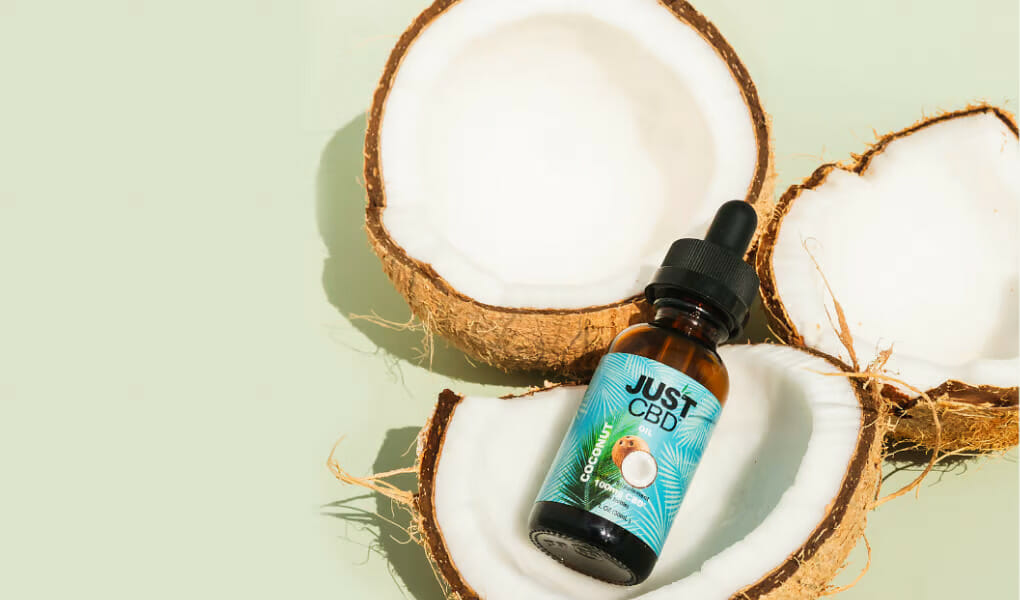
CBD oils, or CBD tincture oils, are ubiquitous with their glass bottles and squeezable stoppers, and with options ranging from isolate to full-spectrum, there’s something for everyone’s CBD needs.
But in an ever-growing market of CBD gummies, capsules, and even bath bombs, how do plain-jane CBD oils stay relevant? Here is all you need to understand about CBD oil, including how to take it and incorporate it into your meals.
The Basics of CBD
CBD is the parent compound in CBD oil, and without it, there is no CBD oil. CBD forms the topic of discussion in coffee shops and backyards, but not everyone has full knowledge of what it is. What is CBD? According to Mascal et al. (2019), CBD is the non-psychoactive cannabinoid in hemp plants. There are many plants in the cannabis class, each having active chemical compounds called cannabinoids. Cannabinoids have more or less the same structure, and CBD stands out for being non-intoxicating. Meanwhile, THC is yet another cannabinoid of much scientific interest, which is psychoactive and responsible for the high effect, as Schlienz et al. (2018) noted. Thus, many people avoid THC since it can make them high. CBD is easily available, and you can buy it online and in-store; all you have to do is select the brands from which you buy the cannabinoid well.
What is CBD?
In order to understand CBD oil, let’s first answer the question: what is CBD? CBD, or “cannabidiol,” is part of a family of unique compounds which are known as cannabinoids, which are found in cannabis plants like marijuana and hemp. CBD is related to another cannabinoid, THC, or tetrahydrocannabinol. And while these two cannabinoids are closely related, there are two major differences: 1.) CBD is more abundant in hemp plants, while THC is more concentrated in marijuana, and 2.) While THC can get the user high, CBD will not. Researchers are also studying how CBD interacts with the body’s endocannabinoid system.
With the information on CBD, you can understand what CBD oil is. CBD oil is one of the many ways to take CBD, others being CBD edibles, topicals, vapes, and capsules. CBD oil is the dilute form of CBD featuring an oil base. Many oils can be used as the base carrier in CBD oil, including hempseed and MCT coconut oils. The carrier oil dissolves the CBD and gives users many options to explore. As this article shows, you can enjoy CBD oil in different formulations depending on the type of CBD they feature. CBD oil also comes in flavored and unflavored options, allowing CBD users with different preferences to have something to tap into. As the demand for CBD oil increases, many brands surface and produce the oil, some offering them in kosher-certified grades. How do you take CBD oil? How is CBD oil different from hemp seed oil and CBD tinctures? These, and many more, are among the questions whose answers this article helps you understand.
CBD & The Endocannabinoid System
The endocannabinoid system is a range of receptors and enzymes throughout the body. The receptors in the endocannabinoid system communicate through neurotransmitters known as endocannabinoids, which are cannabinoids created by the body. So where does CBD come in? Because CBD is a cannabinoid, researchers are studying how it interacts with this system, including the CB1 and CB2 receptors. Research on CBD is still at an early stage.
Why choose CBD oil in the first place? Above all, CBD oil offers the best in versatility. With CBD oil, you can always choose the easiest option: with your pre-measured dropper, take a few drops under the tongue and hold them there for 30 seconds. This is the sublingual method, and while it’s certainly one of the easiest ways to take CBD oil, it’s just one of them! CBD oil is a great option for those who wish to make their very own CBD goodies at home. This can be as simple as adding CBD oil to your coffee, or blending it into a nut butter, or you can even make your own gummies!
What’s the Difference Between CBD Tinctures and CBD Oils?
When shopping CBD oil, it can be easy to get confused, especially when you see both “CBD oils” and “CBD tinctures,” and they both look extremely similar. So what’s the difference, anyway? The terms “CBD oil” and “CBD tincture” are often used interchangeably, but they can be very different things. CBD oils are the more common product, and they might sometimes be called “CBD tinctures” and even “CBD tincture oils.” But ultimately, you’ll know it’s a CBD oil when it uses an oil as the carrier, typically coconut or hemp seed. So, what are CBD tinctures, then? True CBD tinctures are not quite as common, but they will use an alcohol carrier instead of an oil. And while alcohol can give the product a longer shelf life, tinctures don’t use the same kind of processes as CBD oils. While the best CBD oils use CO2 extraction, CBD tinctures undergo solvent extraction. And the main issue with solvent extraction is that it uses 60-70% distilled alcohol, which is actually quite harsh. So harsh, in fact, that it can actually degrade many of the constituents and terpenes you want in a CBD product. This is especially important for full-spectrum CBD oils, which are meant to include all of hemp’s naturally occurring cannabinoids, terpenes, and flavonoids. Yet, there are many similarities when it comes to how the two are used. You can take CBD oils and tinctures directly, but you could also add them to your meals.
CBD Oil vs. Hemp Oil: The Differences
Knowing more about CBD oils also entails knowing the difference between the cannabinoid and hempseed oils. Of course, CBD and hempseed oils come from the same plant; the hemp plant. However, they differ in the parts of the hemp plants used to make them, ultimately impacting the amount of CBD in each type of oil. You can extract CBD oil from different parts of the hemp plants, including leaves, stems, and flowers but hempseed oils only come from the seeds of the hemp plants. For this very reason, CBD oil features more CBD than hempseed oils which barely have any CBD. Yet, there is another confusing product, hemp oil. It may sound more like hemp seed oil, but the two are not the same. Hemp oil features many compounds, in fact, more than hemp seed oil, and CBD is one of them. Ultimately, hempseed, CBD, and hemp oils are all hemp products, and you choose what product to buy depending on your interests and preferences.
What Types of CBD Oil Can You Choose?
CBD shopping might sound simple on paper, but you will only realize how complicated things can be when you go to the shops and see just how many options you must choose from. Thus, you must know the types of CBD oil to go for before settling for them. You can choose CBD oil in the following formulations:
i. Isolate CBD; is the purest form of CBD, featuring the cannabinoid without additional compounds. It is 99.9% pure CBD and the surest way to consume CBD without THC, as long as you focus on high-quality isolate oil from reputable companies.
ii. Full-spectrum CBD oil; features CBD with traces of THC and additional hemp compounds, including terpenes and flavonoids. In the UK, a product must not contain more than 1mg of controlled cannabinoids such as THC per container. Russo et al. (2011) and VanDolah et al. (2019) discuss the idea that the many compounds in full-spectrum CBD oil work together, known as the entourage effect, which is still being researched.
iii. Broad-spectrum CBD oil; is more like full-spectrum CBD oil in composition but does not have THC. It is a great alternative for CBD users who want multiple hemp compounds in a THC-free product.
Which Is the Best Form of CBD Oil?
With the three types of CBD oil, it is easy to think that one must be better than the other and be confused about what CBD formulation to go for. Thankfully, there is no CBD that is inferior or superior to the others; if that were the case, there would be no point in having the three CBD formulations. Rather, the three options ensure that CBD fans with various preferences get something to tap into. For instance, you can go for full-spectrum CBD oil if you want the full range of hemp compounds, or broad-spectrum CBD oil for a similar range without THC, especially if you focus on reputable brands. Meanwhile, you can opt for isolate CBD oil if you want a product that contains only CBD.
How to Take CBD Oil
There are many ways to take CBD oil, but they can all be put into taking the cannabinoid directly or incorporating it into your meals and drinks. How do you take CBD oil directly? You can put drops of CBD oil on your tongue and swallow them like you would water or drops of honey. Besides, the other key way to take CBD oil is to add drops of CBD oil below the tongue, allow 30-60 seconds to elapse, and finally swallow them. This is called the sublingual method, and it is one of the most popular ways to take the oil. Whichever method you choose, always follow the directions on the product label.
CBD Oil in Meals
Besides putting drops of CBD oil below or on the tongue, you can incorporate CBD oil into your meals. From your favorite dishes to drinks and beverages, you can always find your way around with CBD oil and enjoy the final products. You can add CBD drops to your tea or coffee, allowing you to enjoy the oil without its bitter taste. You can also add CBD oil drops to your ready-to-eat dish, say rice or soup. Some people also stir CBD oil into sauces, which they still enjoy. CBD oil can degrade with too much heat, so it is best added to food after cooking. CBD oil also forms part of cocktails and fruit juices; all you have to do is keep track of how much CBD you are adding. Incorporating CBD oil into your meals allows you to enjoy the cannabinoid with taste.
Does CBD Oil Make You High?
People have many concerns about CBD oil and other products, including if they have a high effect. Will you get high from taking CBD oil or adding its drops to your meals? According to Bauer et al. (2020) and Kicman & Toczak (2020), CBD is non-intoxicating. Thus, CBD oil will not make you high. Schlienz et al. (2018) noted that THC is psychoactive and causes a high effect in smoking weed. In the UK, a CBD product must not contain more than 1mg of controlled cannabinoids such as THC per container. Choosing isolate CBD oil from reputable brands ensures you get high-quality CBD oil without THC. Meanwhile, broad-spectrum CBD oil, which should have no THC, might have THC traces, making it not the best option to go for if you are looking for THC-free CBD.
Do You Fail Drugs Because of CBD Oil?
The other concern every serious CBD user will have about CBD oil is whether the cannabinoid will make them fail drug tests. Do CBD oils show up in drug tests? You must know how cannabis drug tests work to understand the answer. Drug tests usually look for THC and THC metabolites, not CBD. Isolate CBD oil from reputable brands contains no THC. However, full-spectrum CBD oils can contain traces of THC, and broad-spectrum oils may also contain traces, so a positive result cannot be fully ruled out. As you invest in CBD oil, check the certificate of analysis to see what your product contains.
How Strong Should Your CBD Oil Be?
Are you joining the CBD wagon and want CBD oil to be your primary way to enjoy the cannabinoid? You must know how strong the CBD oil is. The strength of a CBD oil is shown on the label as the total amount of CBD in the bottle, and many people start with a lower strength. CBD products are not medicines, and in the UK, the Food Standards Agency (FSA) advises healthy adults to limit CBD from food to 10mg per day.
How Much CBD Oil Should You Take?
Besides choosing the right CBD strength for you, you must know how much CBD oil you can take. One drop? Two drops? Or more? Always follow the serving directions on the product label and keep track of how much CBD each drop contains. The FSA advises healthy adults to limit CBD from food to 10mg per day, so check how many drops add up to that amount for your oil. The CBD oil’s strength is also key in how much CBD oil you take; a stronger oil contains more CBD per drop, and the reverse is also true. Since CBD oil is expensive, starting with a lower-strength option is often the more sensible route.
CBD Oil Pros
CBD oil features pros and cons you must know and weigh before settling for them. The primary advantage of CBD oil is its versatility. You can take it under the tongue, swallow it, or add it to food and drinks, and the dropper makes it easy to measure. CBD oil may also be a better option for CBD fans who want CBD in liquid bases but would not want the alcohol in CBD tinctures. Besides, CBD oils do not have too many ingredients, which is yet another plus for people who prefer fewer ingredients in their products.
CBD Oil Cons
Even with the many pros, it is worth noting that CBD oil has cons you must contend with. First, CBD oils may be bitter and earthy, which is not necessarily bad, but many people find the taste unbearable. Thankfully, there are many ways to mask the bitter taste of CBD oil, including taking flavored CBD oil options or putting a drop of the oil on a drop of honey. If all gets to worst with the CBD oil taste, you can happily switch to CBD edibles that hide the CBD taste. The other issue with CBD oil is that some people may not like its texture. Some CBD oils feature carrier oils that not everyone enjoys, but such people can always opt for other formats. That said, every other CBD format has cons and pros, which you can weigh and decide what to take.
Shopping for CBD Oil
Whether you’re shopping for CBD oil near you, or shopping for CBD oil online, always make sure you’re shopping from a reputable brand that puts your interests first. This means that the company should only use quality hemp, and they should be clear about the sourcing on their website. Also make sure that their CBD products are thoroughly tested by a third-party lab, and that they offer the certificates of analysis for every batch online. One of the easiest ways to check out a CBD oil brand’s legitimacy is by checking out reviews—not only from the CBD publications, but the individual reviews on forums, as well.
Things to Know Before Trying CBD Oil
CBD products are not medicines. When trying CBD oil for the first time, start with a small amount and follow the label. If you’re taking any kind of medication, speak to your doctor before trying CBD oil. The FSA advises healthy adults to limit CBD from food to 10mg per day.
Conclusion
CBD oil is a liquid form of CBD, featuring a carrier oil as the base. It may have hemp seed oil or MCT oil as the base carrier, but many other oils have been used to base it. You can take CBD oil orally or sublingually, but you can also add its drops to foods and drinks. Its versatility draws many users to the oil. Still, many find the bitter taste of CBD oil unbearable, but you can opt for flavored CBD oil or the other suggestions shared in this article. This is your CBD oil 101 guide, helping you know all you need about it.
References
Bauer, B. A. (2020). In Mayo Clinic.
Kicman, A., & Toczek, M. (2020).
International journal of molecular sciences, 21(18), 6740.
Mascal, M., Hafezi, N., Wang, D., Hu, Y., Serra, G., Dallas, M. L., & Spencer, J. P. (2019).
Scientific reports, 9(1), 1-6.
Russo, E. B. (2011). Taming THC: potential cannabis synergy and phytocannabinoid‐
terpenoid entourage effects. British journal of pharmacology, 163(7), 1344-1364.
Schlienz, N. J., Lee, D. C., Stitzer, M. L., & Vandrey, R. (2018). The effect of high-dose
dronabinol (oral THC) maintenance on cannabis self-administration. Drug and
alcohol dependence, 187, 254-260.
VanDolah, H. J., Bauer, B. A., & Mauck, K. F. (2019, September). Clinicians’ guide to
cannabidiol and hemp oils. In Mayo Clinic Proceedings (Vol. 94, No. 9, pp. 1840-
1851). Elsevier.
Please note
This article was first published on the JustCBD UK blog and has been updated. CBD products are sold as food or cosmetics in the UK and are not medicines. The Food Standards Agency advises healthy adults to limit CBD from food to 10mg per day and does not recommend CBD for people under 18, people who take medication, or people who are pregnant or breastfeeding. Read the FSA CBD advice.


