

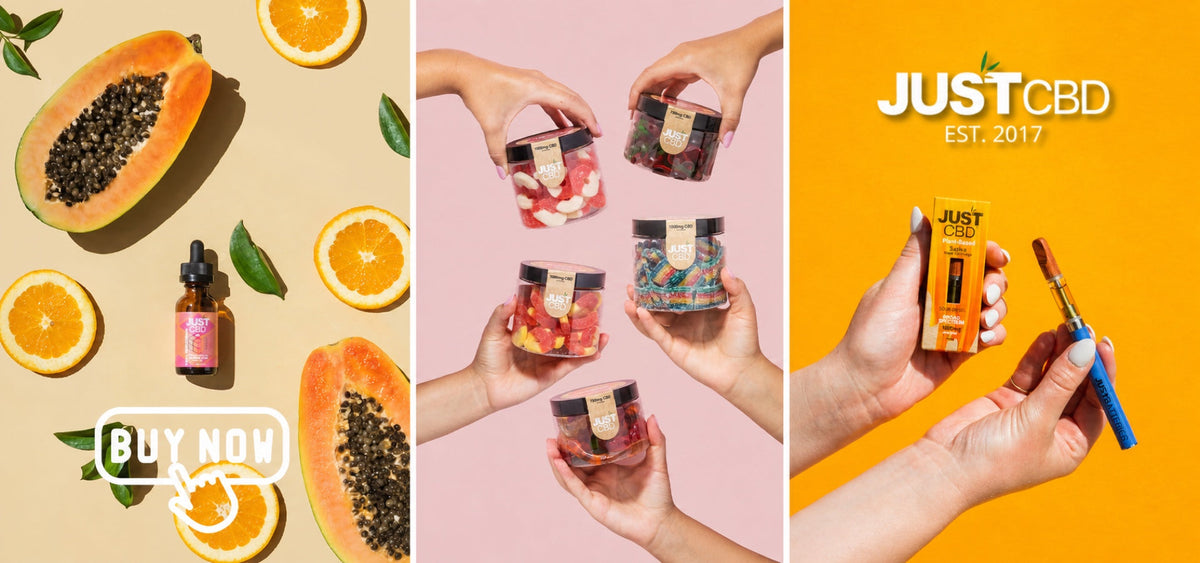
From its humble beginnings as CBD oil, one of the industry’s most popular products has come a long way. CBD can be found in numerous consumer goods, including capsules, food supplements, lotions, ointments, cosmetics, and skincare.
Worldwide, CBD oil consumption has increased, prompting many nations to consider how to regulate its manufacture, distribution, and quality. Many businesses around the UK now provide their versions of CBD oil due to its meteoric surge in popularity. Because of the rapid increase in demand, many companies are entering the UK market, and the quality of their CBD oils varies. Consumers should consider the quality of these products and the stores that sell CBD oil before making purchases.
What Is CBD
Cannabidiol is a chemical compound found in cannabis. It is a chemical found in the cannabis Sativa plant and is extracted from the plant (Lall, 2020). Although there are many other components in cannabis, the most well-known are cannabidiol (CBD) and tetrahydrocannabinol (THC). Several methods of extraction are used to produce the oil from the hemp plant. In any case, the technique relies on the specific business and hemp plant kind used.
According to (Ramalho et al., 2021), many individuals have preconceived notions about CBD, such that it has the same psychoactive properties as marijuana. In contrast to THC, CBD is not responsible for the high feeling. CBD products are not medicines, and research on CBD is still at an early stage.
CBD Categories
Full-spectrum CBD
Full-spectrum CBD is an extract of the hemp plant that includes not just CBD but also other cannabinoids, terpenes (associated with the plant’s aroma), flavonoids, essential oils, and trace levels of THC.
Broad-spectrum CBD
While both full-spectrum and broad-spectrum CBD are extracted from the hemp plant, broad-spectrum CBD undergoes an additional extraction procedure to remove the psychoactive ingredient THC, while retaining the plant’s other naturally occurring constituents.
CBD Isolate
Pure CBD, or CBD isolate, contains no traces of the psychoactive cannabinoid THC or any other hemp plant components. The extraction process removes all of the other terpenes, cannabinoids, and plant chemicals that occur naturally in hemp.
Type of CBD
Tinctures and Oils
Regarding bottle size, CBD oils and tinctures typically range from 1 to 4 ounces. Twenty-five milliliters may also be indicated on the bottle’s dropper. CBD oil drops are usually placed under the tongue, and the onset can vary from person to person.
Compared to candies, gummies, and capsules, tinctures and oils may be less user-friendly because of the risk of spilling the fluid and the necessity to visually inspect the level of tincture in the dropper to measure the serving. However, tinctures may provide a more versatile way of measuring servings.
Other edibles and gummies
Gummies, candies, cookies, brownies, and other sweets containing CBD need to be digested first, so the time it takes to notice them can vary from person to person.
Capsules
People can also get CBD in capsule form to use orally.
Topicals
CBD topicals, such as lotions or creams, are applied to the skin. CBD cosmetics follow UK cosmetics rules.
CBD Laws In Brighton
In Brighton, the same rules apply as in the rest of the UK. Cannabis is a controlled drug, which means that buying, using, or possessing marijuana or marijuana derivatives, which often contain more THC than CBD oil, is illegal. CBD foods in the UK are novel foods regulated by the Food Standards Agency (FSA), and a product must not contain more than 1mg of controlled cannabinoids such as THC per container. The FSA advises healthy adults to limit CBD from food to 10mg per day. CBD products are not medicines, and CBD cosmetics follow UK cosmetics rules. Users should only buy CBD oil from a legitimate UK-based business that follows these rules. Knowing them will help CBD consumers avoid breaking the law and choose products with more confidence.
Factors To Consider When Buying CBD In Brighton
Lab Reports
Companies are now expected to include lab tests on their websites as evidence of their products’ validity and quality. Since an independent lab conducted these tests, the results are reliable since they are based on measured data rather than speculation.
Positive Reviews
It’s also a good idea to look for customer reviews online before making a purchase decision. In this manner, you can learn about the product’s reliability and the experiences of other consumers.
Brand Quality
CBD companies must be honest with their clients. Many businesses have gone to great lengths to explain to consumers exactly what goes into making their products. Companies that are secretive with their customers should be viewed with distrust.
Flavourings
There are both flavoured and unflavoured CBD oils available. Those with a particular taste should inquire whether the CBD they intend to purchase comes in flavoured varieties. Remember that unflavoured doesn’t always equal flavourless; full and broad-spectrum hemp will taste like hemp.
Prices
As much as we’d like to avoid being scammed, deals that seem too good to be true often are. Many businesses aim to take advantage of uninformed newcomers by charging them exorbitant costs. At the same time, other brands strive to undercut the competition by offering products at ridiculously low prices that reflect their worse quality. It is helpful to see what is currently available to get a feel for how much a CBD tincture typically costs. You’ll be able to determine if you’re getting a good deal on a genuine product that will satisfy your requirements.
Conclusion
CBD is just one of more than 120 cannabinoids found in cannabis. There is little information about the effects of CBD now because studies are still in their infancy. For individuals looking for CBD, it’s essential to get it from a reliable source that lists all the ingredients.
References
Lall, S. (2020). CBD oil. British Dental Journal, 228(6), 395-395.
https://doi.org/10.1038/s41415-020-1436-7
Ramalho, Í., Pereira, D., Galvão, G., Freire, D., Amaral-Machado, L., Alencar, É., & Egito,
E. (2021). Current trends on cannabidiol delivery systems: where are we and
where are we going? Expert Opinion On Drug Delivery, 18(11), 1577-1587.
https://doi.org/10.1080/17425247.2021.1952978
Please note
This article was first published on the JustCBD UK blog and has been updated. CBD products are sold as food or cosmetics in the UK and are not medicines. The Food Standards Agency advises healthy adults to limit CBD from food to 10mg per day and does not recommend CBD for people under 18, people who take medication, or people who are pregnant or breastfeeding. Read the FSA CBD advice.


