

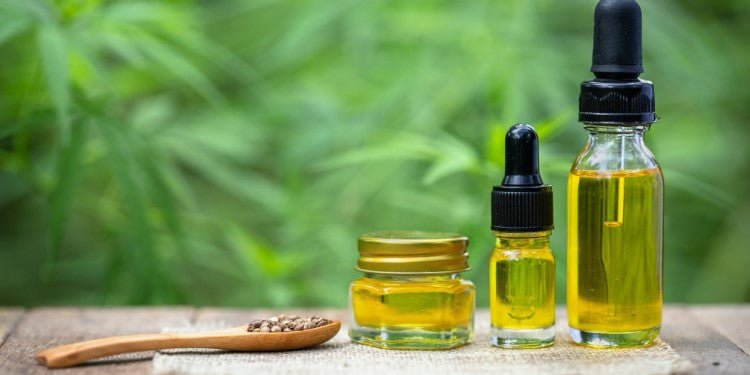
CBD oil is one of the most popular CBD products, and unlike THC, CBD will not make you feel “high.”
Cannabidiol (CBD) and tetrahydrocannabinol (THC) are the two best-known chemicals in the cannabis plant. THC is the chemical in cannabis that is psychoactive and makes you feel “high.” CBD oil generally does not contain THC, although full-spectrum CBD products can contain traces of THC. In the UK, a product must not contain more than 1mg of controlled cannabinoids such as THC per container. The oil contains CBD and base oil mixtures, such as hemp seed oil or coconut oil packed in a tincture bottle. The bottles are available in various concentrations.
Apart from CBD oil, other CBD products are available on the market, such as CBD gummies, capsules, and sprays. Each format is taken in a different way.
How is CBD oil used?
CBD oil can be taken by placing a few drops under the tongue, or it can be added to food and drinks such as coffee, smoothies or salad dressings. Always follow the serving directions on the label. CBD products are not medicines, and in the UK, CBD foods are novel foods regulated by the Food Standards Agency (FSA), which advises healthy adults to limit CBD from food to 10mg per day. Research on CBD is still at an early stage.
Want to learn more? Our CBD Oils 101 guide explains the types of CBD oil, how they differ from hemp seed oil and tinctures, and how to choose a strength.
Please note
This article was first published on the JustCBD UK blog and has been updated. CBD products are sold as food or cosmetics in the UK and are not medicines. The Food Standards Agency advises healthy adults to limit CBD from food to 10mg per day and does not recommend CBD for people under 18, people who take medication, or people who are pregnant or breastfeeding. Read the FSA CBD advice.


